Heatwave triggers fatal drownings across France as extreme temperatures grip Europe
At least 40 deaths reported as soaring heat disrupts daily life and strains infrastructure across the continent

Paris: Forty people have drowned while swimming in unsupervised areas in France since the weekend, the prime minister said on Tuesday, as people sought relief from a heatwave sweeping much of Europe.
Britain, Italy and Spain are also experiencing extreme heat, with record temperatures in some regions disrupting schools and transport networks. Europe is warming at more than twice the global average, according to the World Meteorological Organization, making prolonged heat episodes increasingly likely.
The current heatwave is driven by a weather pattern known as an Omega block, shaped like the Greek letter, with a bulge of hot air in the middle and cooler air on either side. Meteorologists say this system is creating a “heat dome”, trapping hot air over western and central Europe and allowing temperatures to build day after day.
Heatwaves and storms are being intensified by climate change, pushing temperatures higher and increasing rainfall levels.
Heat alerts and rising risks
Much of France is under severe heat alert, with temperatures around 40°C expected on Tuesday and up to 43°C in some western areas, Meteo France said.
Across the country, people including children have been jumping into canals and rivers to cool down. French Sports Minister Marina Ferrari warned against swimming in unauthorised or dangerous areas despite understanding the urge to escape the heat.
Prime Minister Sebastien Lecornu said the 40 drownings recorded since 18 June were attributable to the heatwave. In a separate incident, two young children aged two and four were found unconscious in a family car in southeast France and could not be resuscitated.
Authorities in Paris have introduced measures such as offering free cinema tickets to younger and older residents to provide access to air-conditioned spaces.
Disruptions to daily life and economy
The heat has affected daily routines and economic activity. Commuters in Paris struggled with high temperatures, with many reporting sleepless nights due to poorly ventilated homes. Train services, including routes between Paris and Brussels, were cancelled.
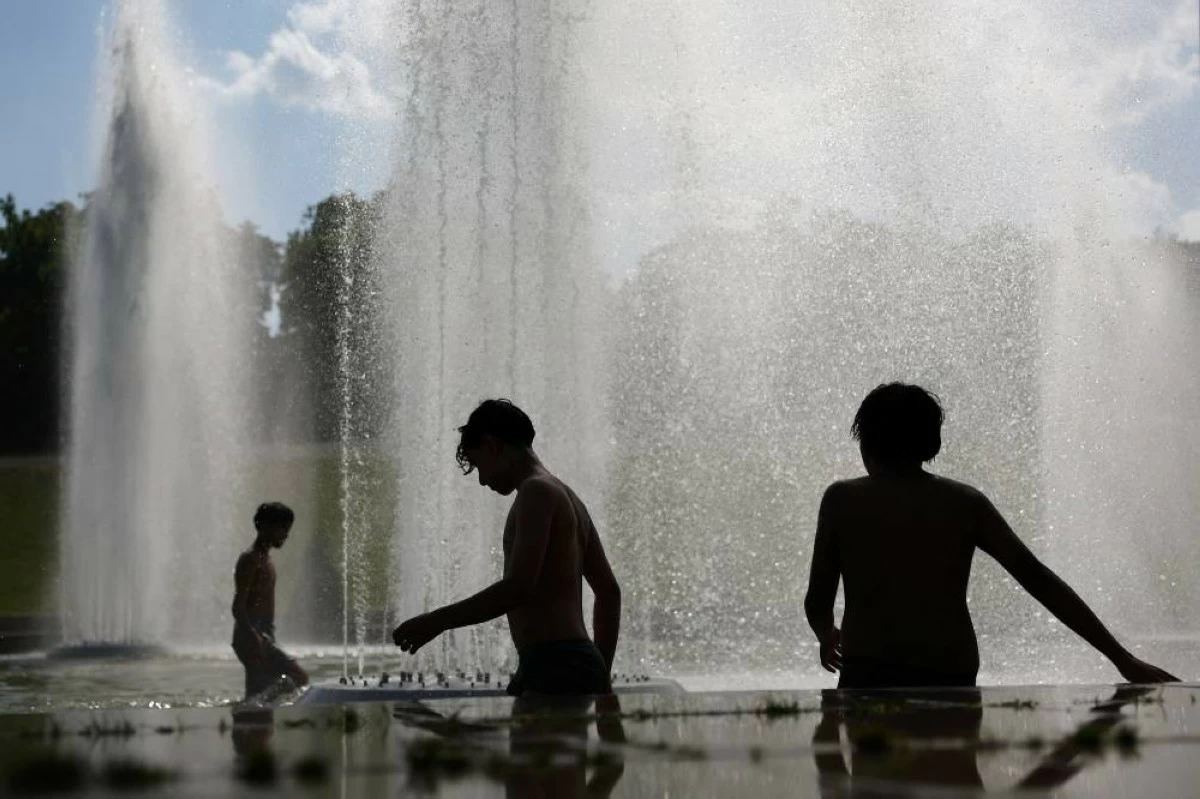
Business leaders said activity had slowed as companies adjusted working conditions to protect employees. Demand for cooling equipment surged, with some shops running out of electric fans.
Europe-wide impact
In Italy, the health ministry issued its highest alert for 15 cities, with measures introduced to reduce work in certain sectors. Meteorologists warned of storms forming in the Alps and Apennines, bringing strong winds, heavy rain and hail.
Britain is also facing intense heat, with temperatures forecast to reach 37°C in southern England, potentially setting a new June record. Schools have shortened hours due to heat in older buildings, while rail operators warned of travel disruptions caused by speed restrictions to protect infrastructure.
Spain issued red alerts in several regions, with temperatures expected to hit 44°C after already exceeding 45°C in some areas. Night-time temperatures have remained high, offering little relief.
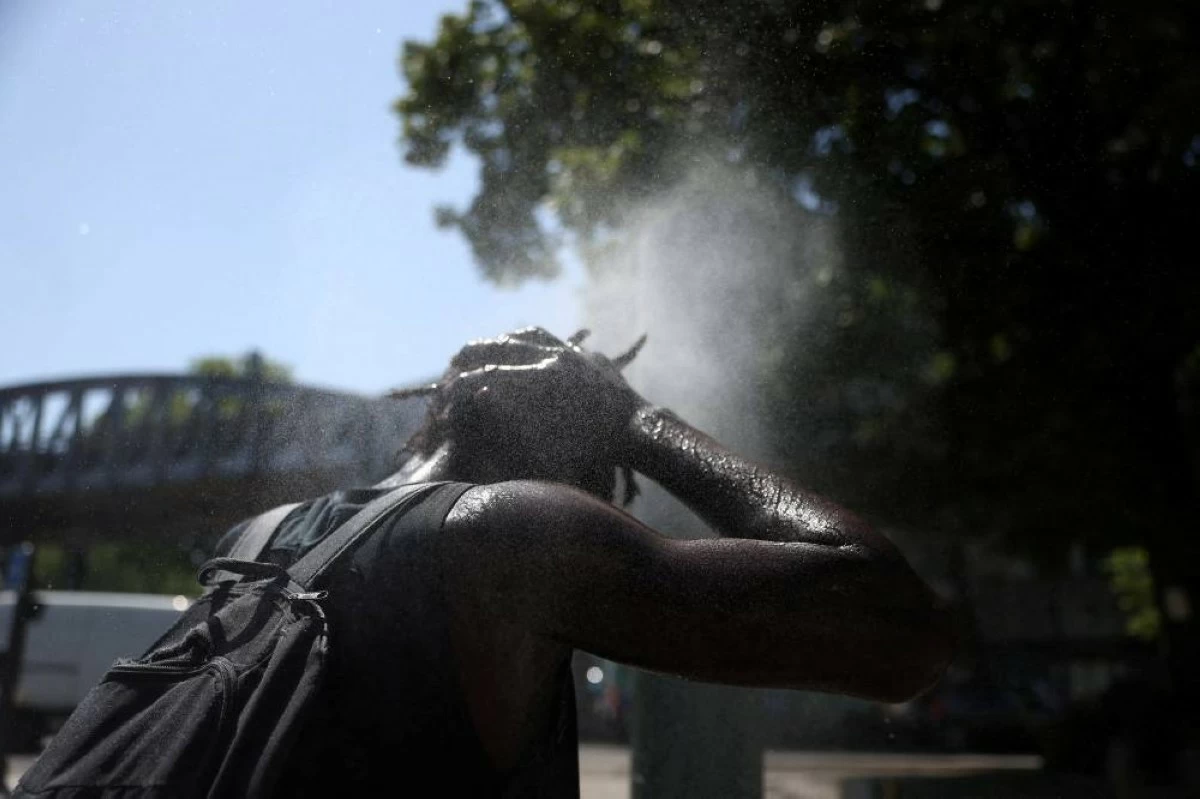
In Belgium, extreme heat forced a primary school near Brussels to relocate exams to a church, where cooler conditions were available.
Transport under pressure
Transport systems across Europe have come under strain. Britain’s Network Rail advised passengers to travel only when essential as temperatures are expected to peak later in the week.
Severe thunderstorms also disrupted services in London, including operations at Heathrow Airport.
The prolonged heatwave continues to challenge public safety, infrastructure and daily life across Europe, with authorities urging caution as temperatures remain at extreme levels.