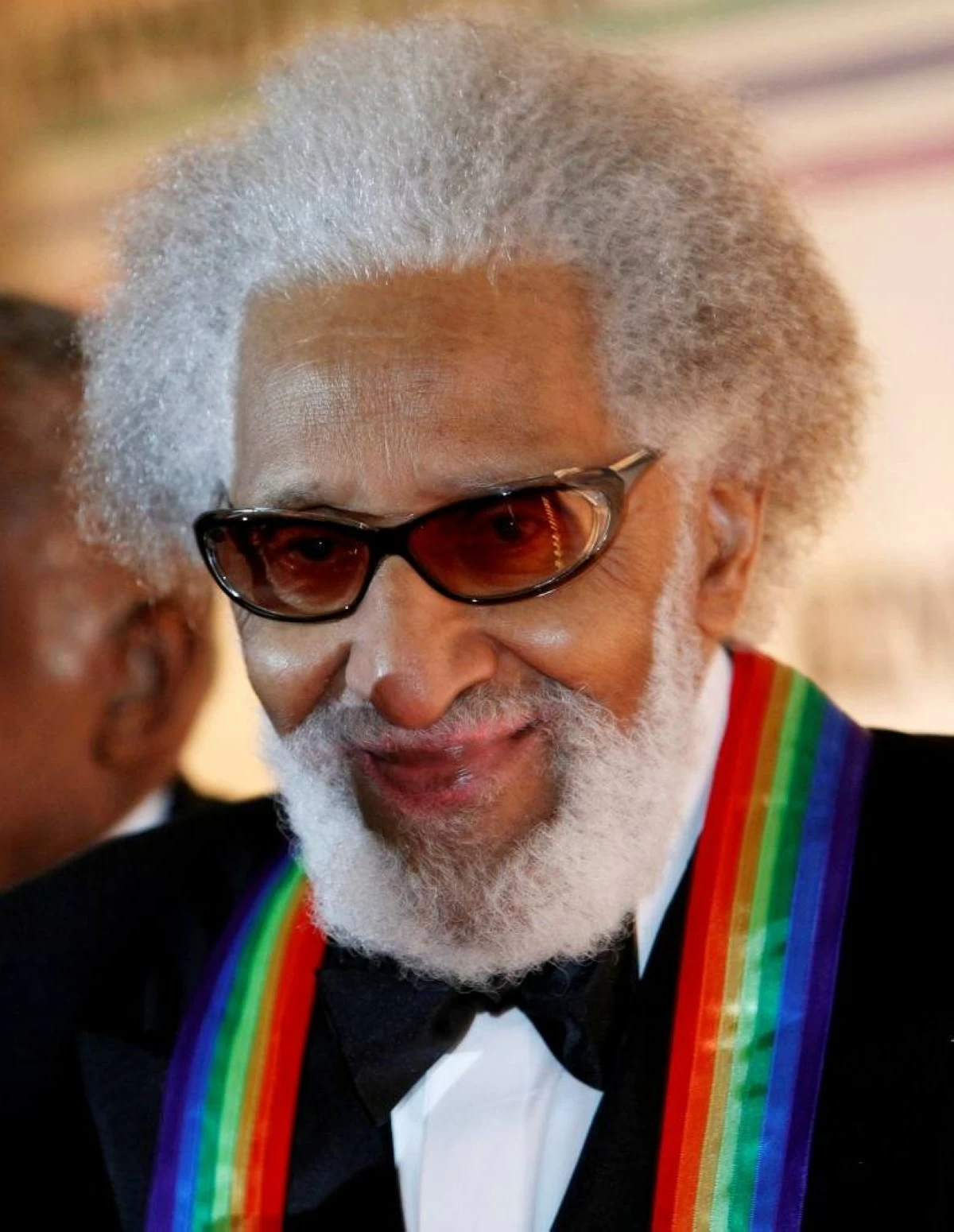
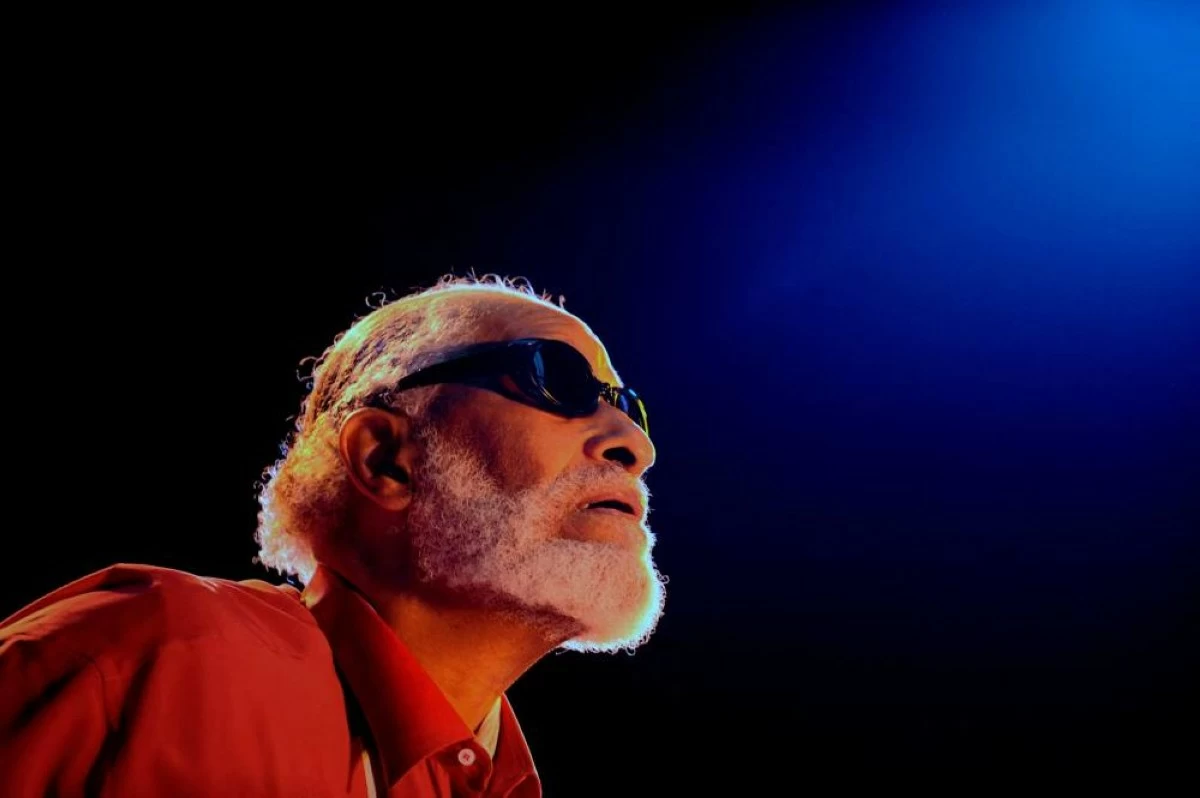
Jazz legend Sonny Rollins, renowned saxophone ‘colossus’, dies at 95
Influential improviser known for seminal works and years of practice on New York bridge leaves lasting musical legacy
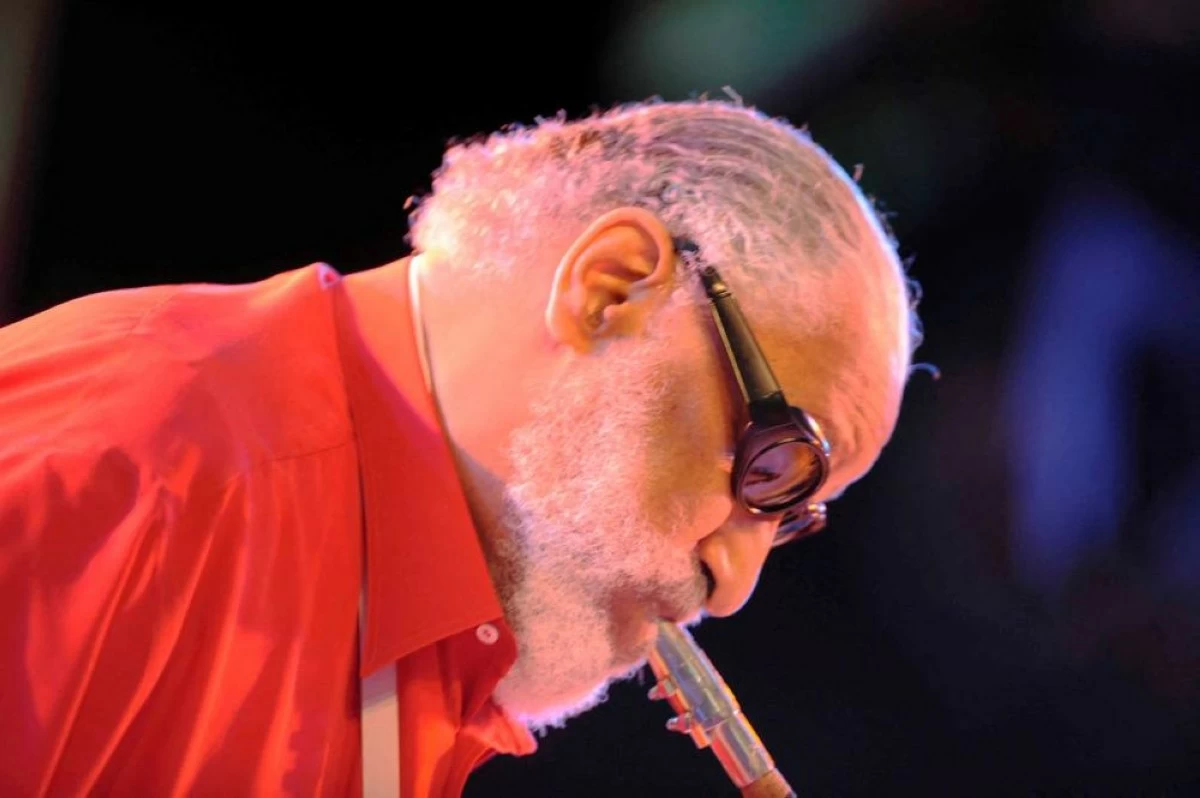
Washington: Sonny Rollins, the jazz saxophonist widely regarded as a towering figure in the genre, has died at the age of 95, his publicist said on Monday.
Born Walter Theodore Rollins on September 7, 1930, he grew up in Harlem surrounded by music. Known from an early age as Sonny, he was influenced by artists including Coleman Hawkins and Charlie Parker, and was mentored by pianist Thelonious Monk.
Rollins rose to prominence in the 1950s, playing with leading musicians such as Art Blakey, Bud Powell and Miles Davis, for whom he wrote pieces including “Oleo” and “Airegin”. His 1956 album “Saxophone Colossus” established him as a leading voice in jazz, featuring tracks such as the calypso-inspired “St Thomas”.
Despite his success, Rollins remained critically self-reflective. In 1959, he withdrew from performing and began practising extensively on the pedestrian walkway of New York’s Williamsburg Bridge, often for up to 15 hours a day.
“What made me withdraw and go to the bridge was how I felt about my own playing,” Rollins told the Guardian newspaper in 2022. “I knew I was dissatisfied.”
He spent more than two years refining his craft there, returning with the album “The Bridge”, which marked a further development in his improvisation and solo style.
Rollins became known for his powerful and extended improvisations, often performing without a fixed plan beyond the structure of the music. “Improvising on it, that I leave completely to the forces,” he told PBS. “Sometimes I’m surprised by what comes out.”
Over his career, he recorded more than 60 albums as a leader and contributed to projects including the 1966 film soundtrack “Alfie” and the album “East Broadway Run Down”. He also collaborated with bands such as the Rolling Stones, appearing on tracks from their 1981 album “Tattoo You”.
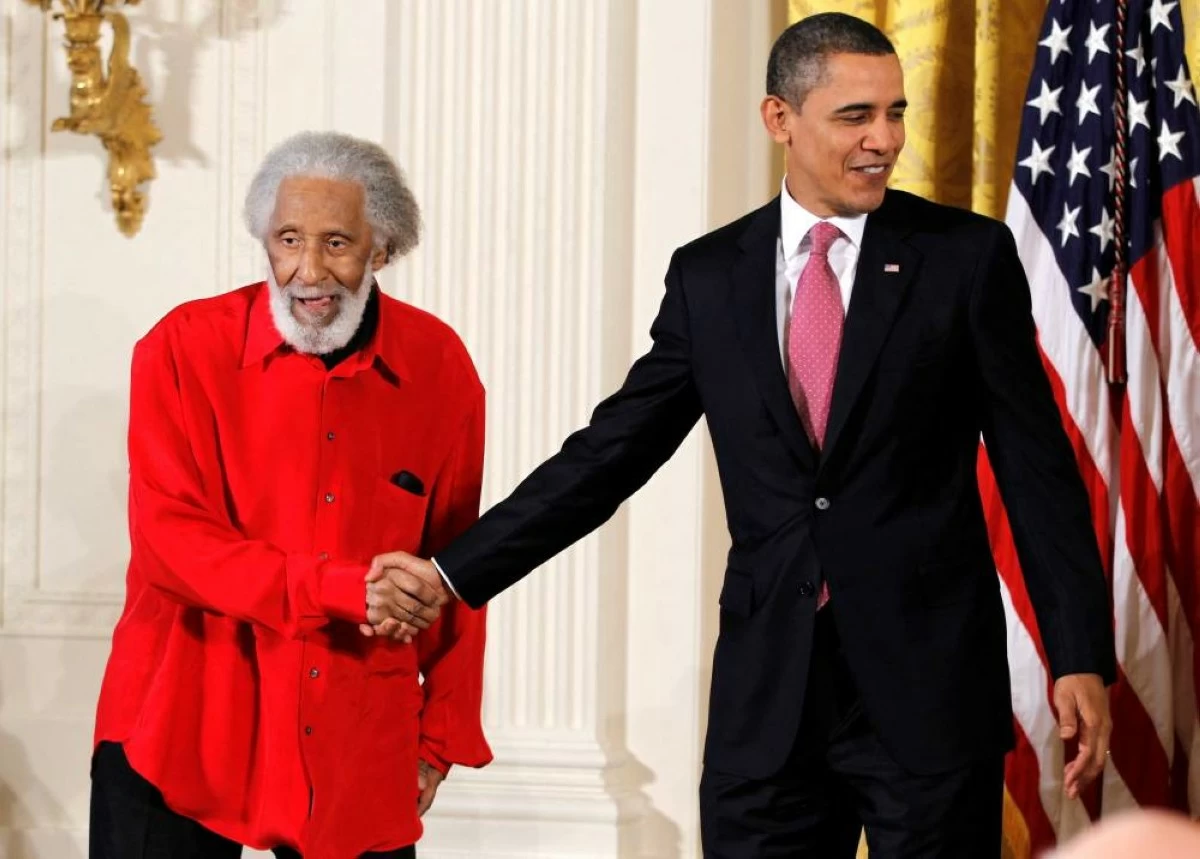
Rollins’ life included periods of personal struggle. He was jailed for 10 months in 1950 following an armed robbery conviction and later faced legal issues linked to drug use, which he eventually overcame by adopting a disciplined lifestyle centred on exercise and yoga.
He also took sabbaticals from music, including one beginning in 1969 during which he spent time in Japan and India, including a stay in a monastery, before returning in the early 1970s.
Rollins married Lucille in 1965, who later became his manager. The couple remained together until her death in 2004 and had no children.
He received two Grammy Awards and a Lifetime Achievement Award. A respiratory illness led him to retire from performing in 2014.
Reflecting on his place in jazz history, Rollins once said: “I’m the last guy, but in a way I’m not, because when I’m gone my music is going to be here. We’re all still here.”