Trump threatens renewed strikes as US–Iran talks begin in Switzerland
Tensions flare over Strait of Hormuz closure despite fresh diplomatic efforts
Buergenstock, Switzerland/Dubai: U.S. President Donald Trump on Sunday threatened to resume military action against Iran even as Vice President JD Vance met Iranian officials for the first talks under a peace framework, overshadowed by Tehran’s announcement that it had closed the Strait of Hormuz.
The talks, held at the Swiss mountain resort of Buergenstock and hosted by mediator Qatar, mark the first meeting under a memorandum of understanding agreed last week.
The agreement calls for the reopening of the strait and a halt to all hostilities, including in Lebanon, where U.S. ally Israel launched an invasion in March. However, Iran said it had shut the strait again, arguing that Washington had failed to uphold its commitment to end fighting in Lebanon. It also said Sunday’s discussions would not address substantive issues such as its nuclear programme.
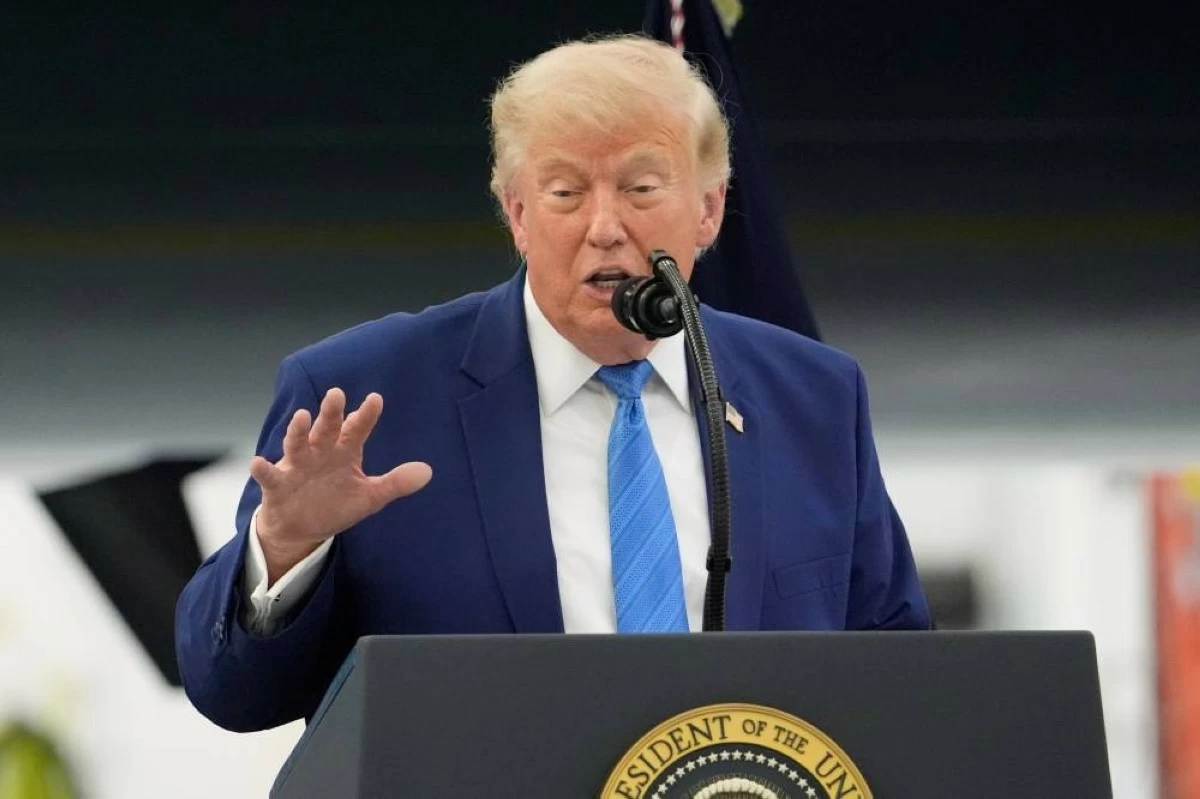
“Iran must immediately stop their highly paid proxies in Lebanon from causing trouble. If they don’t, we will hit Iran very hard again, just like we did last week, only harder,” Trump said, referring to recent escalation.
During the talks, attended by U.S. and Iranian officials in the presence of Qatari mediators, Vance downplayed developments in Lebanon, saying progress had been made towards ending hostilities.
“These things are always a little bit messy,” he said.
Despite the announcement of a new ceasefire in Lebanon on Friday, there has been little evidence of a sustained halt to fighting. Iran said on Saturday it had again closed the Strait of Hormuz — a move that has already caused major disruption to global energy supplies after a nearly four-month closure earlier in the conflict.
U.S. officials disputed that the strait had been fully shut. However, shipping data showed an immediate impact, with only one small tanker crossing the strait with active tracking signals after Iran’s announcement, compared with dozens of vessels in recent days.
Iran’s Fars news agency quoted a military source as saying no new permits were being issued for ships to pass through the strait until further notice. Many shipping companies have previously said it was too risky to sail without Iranian approval.
Tehran also stated that negotiations on the next phase — including its nuclear programme — could not begin until the fighting in Lebanon stops and promised economic benefits are delivered.
Earlier on Sunday, Vance appeared briefly before travelling media alongside envoy Steve Witkoff and Jared Kushner, meeting Pakistani Prime Minister Shehbaz Sharif and Army Chief Field Marshal Asim Munir.
Risk to oil markets
Iran’s announcement came over the weekend, delaying any immediate reaction in global oil markets until trading resumes on Monday.
Trump said last week’s agreement had been aimed at preventing a global economic downturn driven by surging oil prices following the closure of the strait. Prices had fallen in recent days as shipping activity began to recover.
Iran’s foreign ministry spokesperson, Esmail Baghaei, said the current round of talks would last only one day and focus solely on implementing the memorandum, not broader negotiations.
Hopes for progress remain
The agreement outlines 60 days of discussions on issues including curbs to Iran’s nuclear programme in exchange for the lifting of international sanctions. Iran expects early economic relief, such as sanctions waivers and access to frozen assets.
President Masoud Pezeshkian expressed optimism that talks with the U.S. could support economic growth, noting that initial progress included restoring access to some financial resources.
Despite tentative diplomatic steps, the situation remains fragile, with tensions still high across the region.