Trump warns of further military action as US-Iran tensions escalate
Missile strikes, drone attacks and ceasefire violations deepen crisis across the Gulf
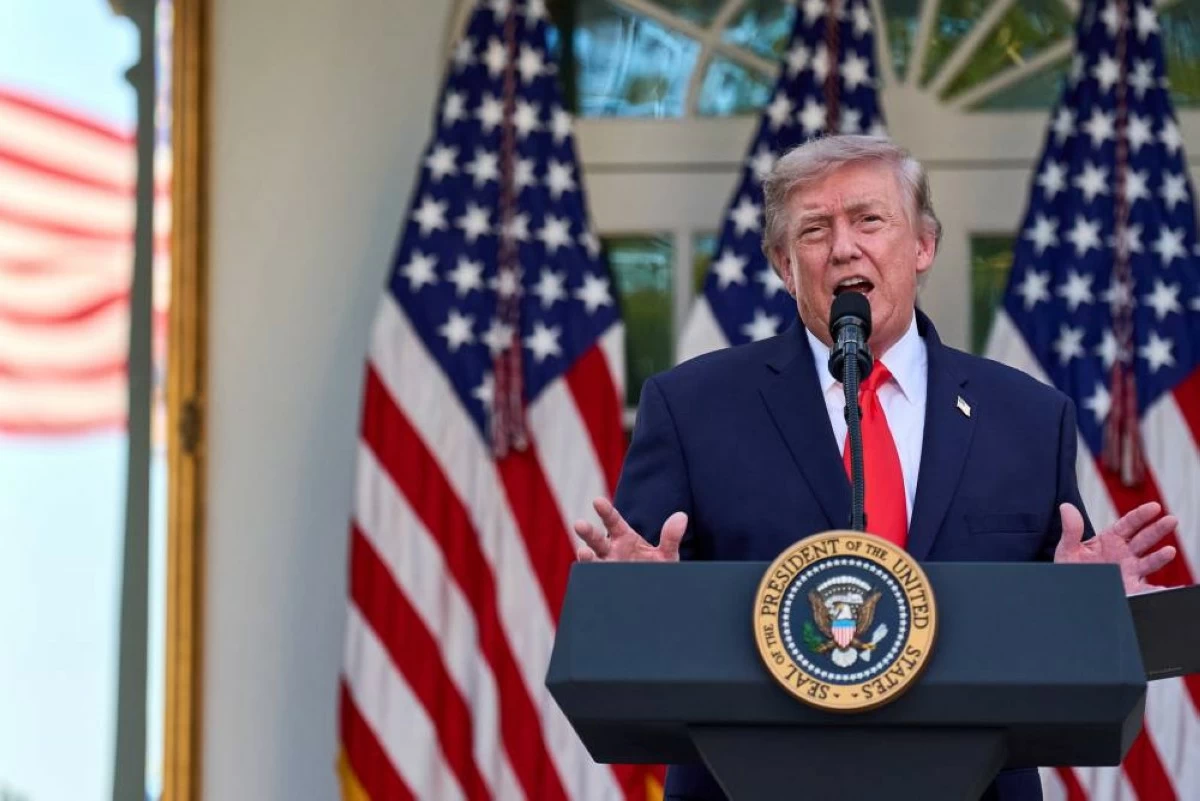
Washington/Cairo: U.S. President Donald Trump warned that the United States could be “forced to militarily complete the job” after launching strikes on Iranian missile and drone facilities, as tensions between Washington and Tehran continue to escalate despite a recent ceasefire agreement.
In a statement, Trump said U.S. forces had targeted Iranian missile and drone storage locations as well as coastal radar sites, accusing Tehran of violating the terms of a ceasefire agreement reached earlier this month. He warned that continued breaches could trigger further military action, adding that the U.S. might not be able to remain restrained.
The remarks came amid a sharp escalation in hostilities between the two countries. Shortly after Trump’s statement, Iran launched missiles and drones targeting U.S. military sites in Kuwait and Bahrain, marking a continuation of retaliatory strikes following recent U.S. operations.
The Islamic Revolutionary Guard Corps (IRGC) said the attacks were in response to U.S. strikes on Iranian facilities, which it described as violations of the ceasefire. The group also warned that continued military pressure would halt all diplomatic efforts and intensify the conflict.
The latest developments have raised fears over the stability of the Gulf region, particularly around the Strait of Hormuz, a key global energy shipping route. The U.S. military said it had carried out additional strikes after a tanker was hit in the strait, blaming Iran for ongoing aggression against commercial shipping.
The conflict has intensified despite a 14-point interim agreement aimed at halting fighting and reopening the strait. While the deal initially led to sanctions relief and mediated talks in Switzerland, both sides have since accused each other of violations, with hostilities continuing to escalate.
Broader regional tensions have also been affected, with Israel reporting strikes on Iran-backed Hezbollah targets in southern Lebanon, adding another dimension to the ongoing conflict.
The growing confrontation highlights the fragility of the ceasefire agreement and raises concerns about further escalation, as both sides signal a willingness to respond with increased force.