US military expands use of artificial intelligence amid calls for safeguards
Pentagon push for battlefield AI draws caution from military leaders and concerns from tech firms

Tampa: The Trump administration is moving to expand the use of artificial intelligence in the U.S. military, while facing calls from some companies and military leaders to introduce safeguards around the rapidly evolving technology.
Adm. Frank Bradley, head of U.S. Special Operations Command, told attendees at a recent special forces conference in Tampa that troops “have to be very careful about how we approach AI’s deployment and its role in delivering lethal force.”
Bradley said he can envision a future where AI determines targets but stressed that “we, as humans, must have the confidence that it will deliver force only where we intend.”
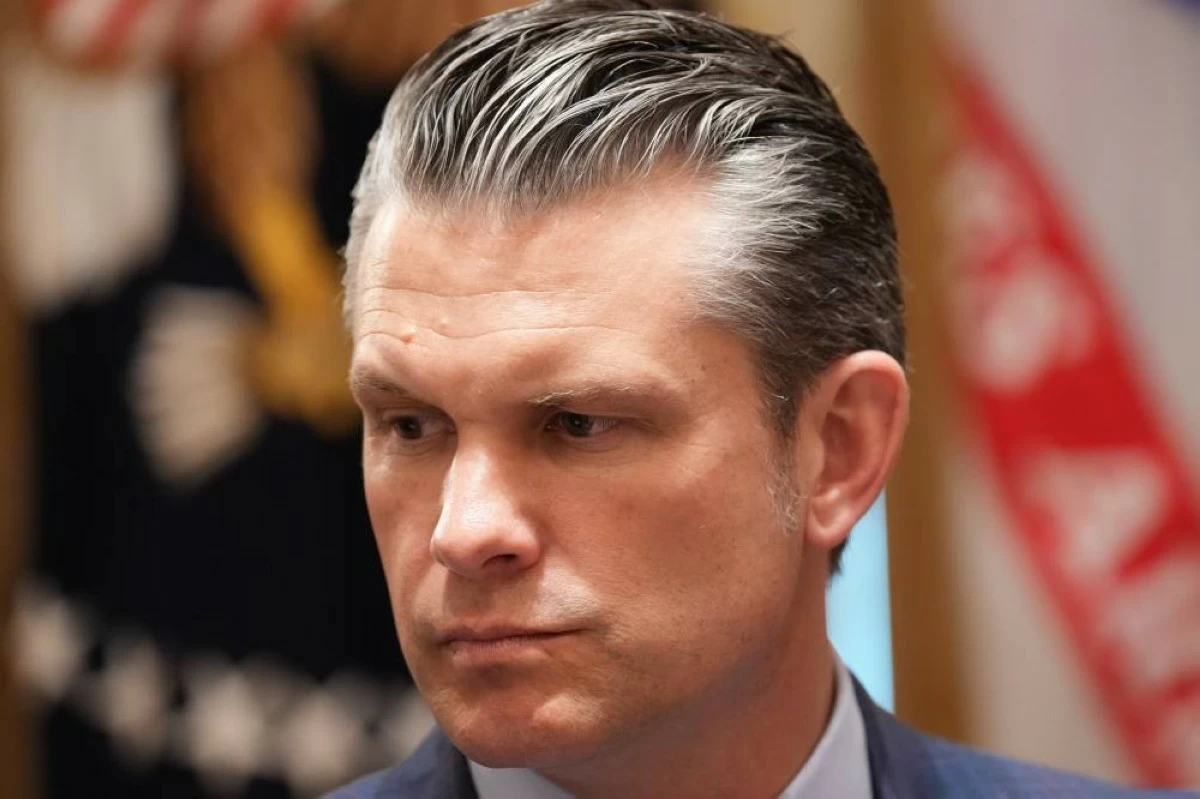
His remarks, highlighting the need for safeguards, come as Defense Secretary Pete Hegseth pushes to rapidly expand AI use in the military. This effort has led to tensions with some technology companies concerned about safety measures.
Hegseth has argued that the Pentagon should be allowed to use AI in any legal way. Speaking to SpaceX employees in January, he said he would reject AI models “that won’t allow you to fight wars,” adding that systems should operate “without ideological constraints that limit lawful military applications.”
The use of AI in the military is part of a broader push by the administration to strengthen what it sees as a key U.S. advantage, even as pressure grows to ensure responsible safeguards.
President Donald Trump also scrapped plans to sign a new AI executive order, citing concerns that it could weaken the country’s competitive edge. “We’re leading China, we’re leading everybody, and I don’t want to do anything that gets in the way of that lead,” he said.
A Pentagon official said efforts are focused on developing “functional battlefield tools” to help troops identify targets more quickly and accelerate operations.
Officials at U.S. Special Operations Command emphasized that AI is intended to support, not replace, human decision-making. Sgt. Maj. Andrew Krogman said AI could handle administrative tasks or modernise operations, while Melissa Johnson noted it should “reduce the cognitive workload on routine tasks.”
“We’re leveraging AI more and more, but it’s not to replace operator judgment — it’s to enhance it,” Johnson said.
Helen Toner, interim executive director at Georgetown University’s Center for Security and Emerging Technology, said both views reflect reality.
“There are many potential uses for AI in military systems, including administrative and operational support,” she said.
Lt. Gen. Michael Conley told a congressional committee that AI tools have already been used to quickly process classified intelligence, making it easier to share information during operations.
At the same time, AI is increasingly being used to help identify and strike targets. A study found that the Army’s 18th Airborne Corps used AI to guide artillery strikes with high efficiency while requiring fewer personnel.
“Human operators still make the key decisions, but AI enables a new level of speed and scale,” Toner said.
Debate over AI’s role in the military—and who controls it—has intensified, with public disputes emerging between the Pentagon and tech firms.
The Defense Department ended a major contract with Anthropic after the company raised concerns about potential misuse, including fully autonomous weapons and mass surveillance. The company has since filed a lawsuit, alleging retaliation.
The Pentagon has moved to work with other providers, including Google, OpenAI, and SpaceX, to develop AI systems that can support decision-making in complex environments.
Toner noted that the public often underestimates the military’s cautious approach to new technologies.
“Commanders want mission success while avoiding unintended consequences such as civilian harm or misidentification of targets,” she said.