Venezuela rocked by massive 7.2 earthquake, rescue work underway
Initial USGS estimate showed strong chance of death toll topping 10,000; Damage seen in Caracas, scientists warn of widespread destruction
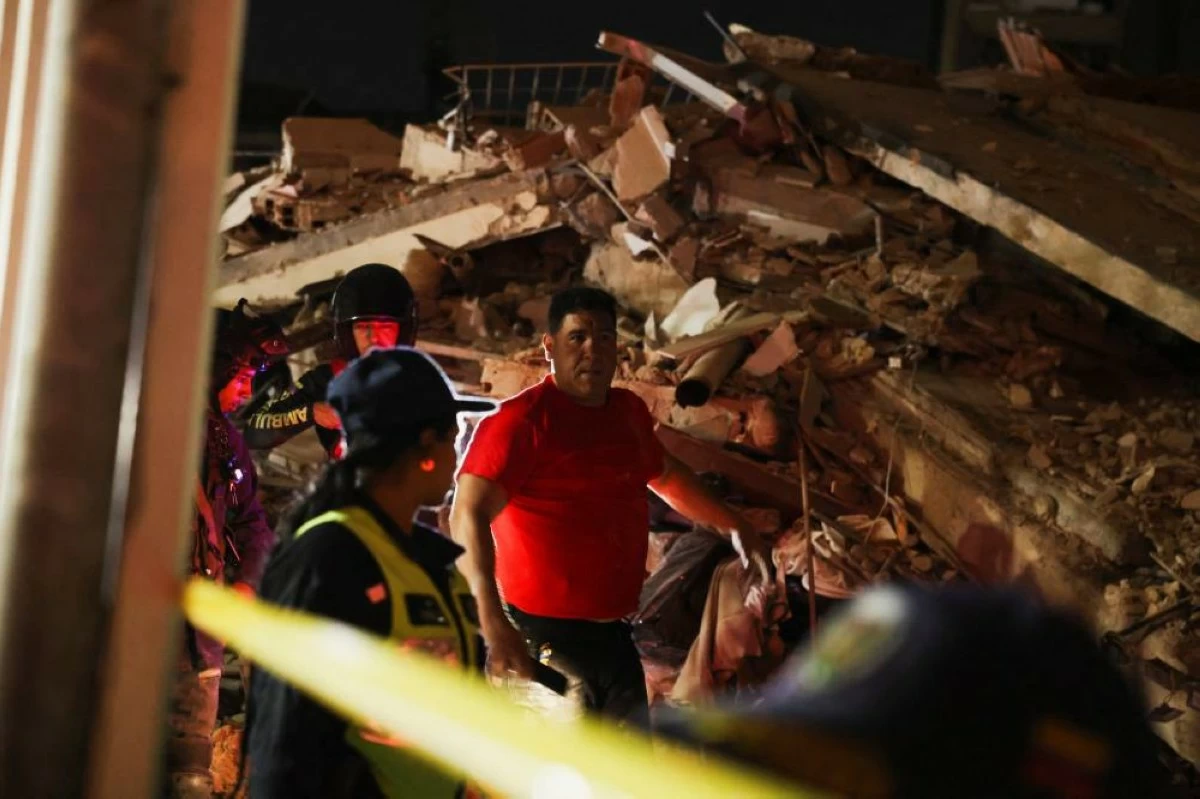
CARACAS: Powerful earthquakes struck Venezuela on Wednesday afternoon, toppling buildings in the capital Caracas, trapping people in the rubble and prompting scientists to warn of potentially heavy casualties and widespread destruction.
A magnitude 7.2 earthquake hit about 160 km (100 miles) west of Caracas, followed less than a minute later by a magnitude 7.5 tremor, according to the U.S. Geological Survey (USGS).
"High casualties and extensive damage are probable and the disaster is likely widespread," the USGS said, initially estimating the death toll would most likely range from 10,000 to 100,000.
Three people were killed in the Baruta district in Caracas after two buildings collapsed, the district mayor said on social media. One person was killed and four buildings had completely collapsed, Gustavo Duque, the mayor of Chacao district in Caracas told journalists. Twenty-two people had been moved to hospital.
"We have buildings, homes and houses which have collapsed and we are taking care of things with everything we have available in terms of security, civil assistance," Interior Minister Diosdado Cabello said on state television.
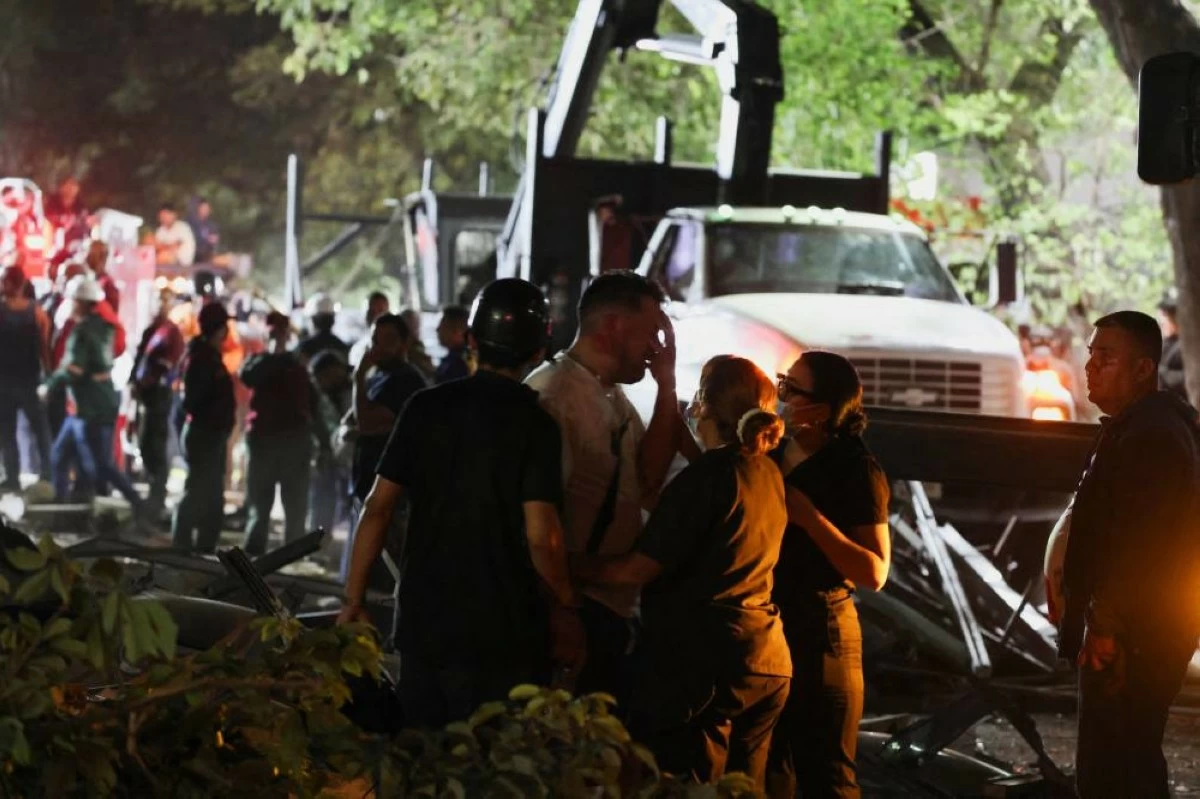
State of emergency declaration likely
Interim President Delcy Rodriguez said she would declare a state of emergency in the South American nation and request funds from multilateral organizations to back the recovery effort.
"We extend our condolences to those who have unfortunately suffered the loss of a family member," she said in a national address, without giving a national count for deaths or injuries.
U.S. President Donald Trump said the U.S. was ready, willing and able to help in the disaster.
"The two major earthquakes that just hit the great people of Venezuela are both massive in scale and have left a devastating number of deaths," Trump said.
Video footage showed emergency workers climbing through the ruins of a collapsed building in the capital as night fell, while distraught relatives sought help for loved ones believed to be trapped.
"When we went downstairs, the scene was like a horror movie," said Maria Alejandra, a resident from a nearby building, who did not give her surname.
"We had to climb over the rubble and everything. The building superintendent with the baby and all the neighbours coming down. But from that building, I only saw that one family got out."
Twenty-two people were injured in the coastal state of Falcon, Governor Victor Clark said on state television. Fifteen missing people, all adults, were still being searched for.
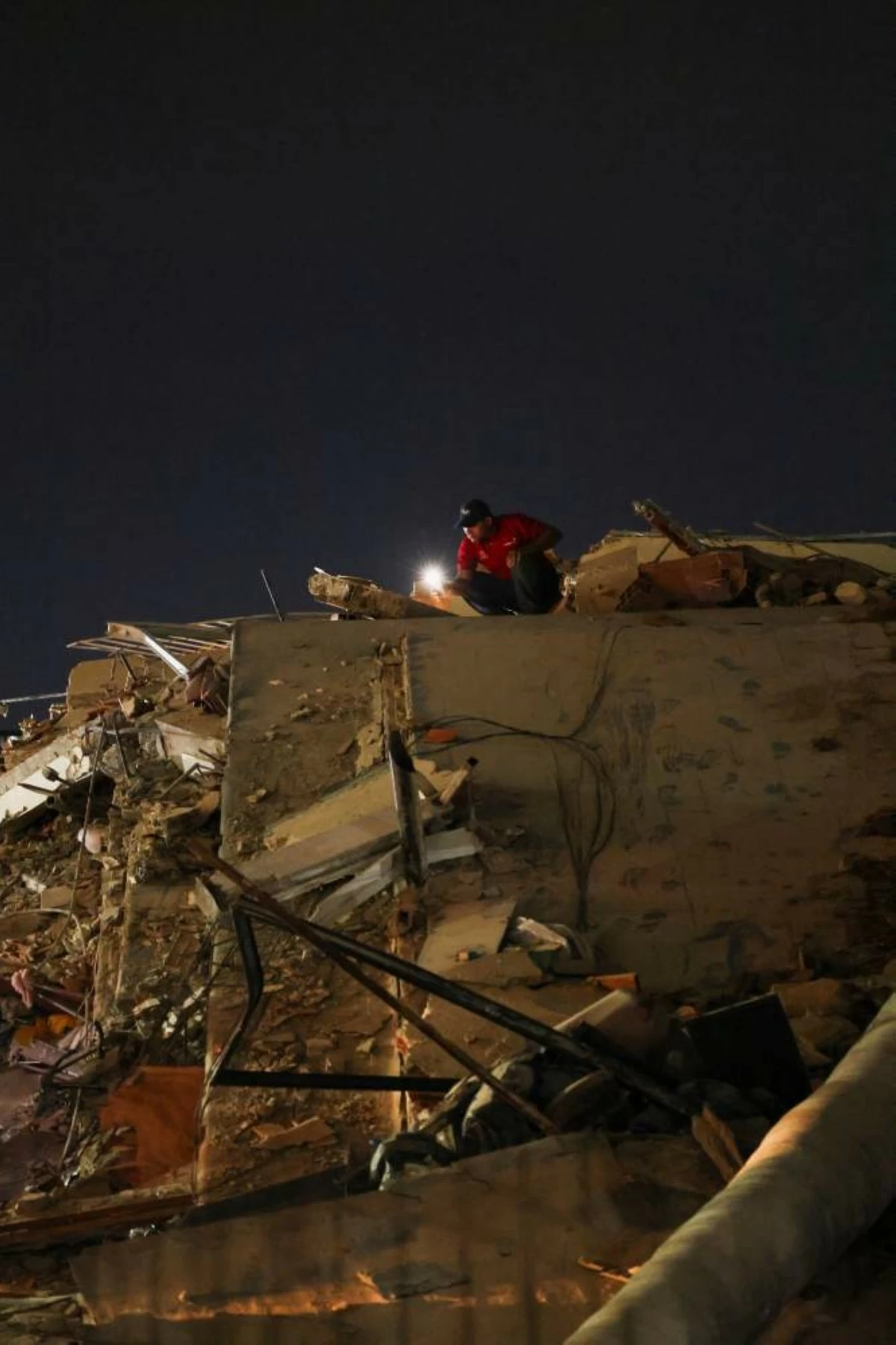
Residents rush into the streets
Many Venezuelans were at home when the quakes struck during a public holiday.
"There was a very loud crash. Things fell in the house, jugs inside the refrigerator. I've never experienced anything like it," said Coro Martinez, 56, who lives in eastern Caracas.
Residents across Caracas, which was also hit by a deadly magnitude 6.3 earthquake in 1967, rushed to evacuate as buildings shook.
"As soon as it started, we began hearing people screaming," said Astrid Ramirez, a 41-year-old publicist in western Caracas. "Everyone was running down the stairs."
Maria Romero, an 80-year-old pensioner in southern Caracas, said police helped her get out of her home. "This earthquake was horrible, even worse than the one in 1967," she said.
Another resident, a 41-year-old office worker who declined to be named, said she received an earthquake alert on her phone just before the shaking intensified.
"As I picked it up and started listening to what it was saying, I first felt light shaking. Then, in less than two seconds, everything started moving."
International leaders including El Salvador's Nayib Bukele, Dominican Republic's Luis Abinader and Brazil's Luiz Inacio Lula da Silva offered support and sympathy, while the U.S. State Department said it was in touch with Venezuelan authorities and mobilizing assistance.
Rodriguez, who has been running the country since the U.S. ouster of President Nicolas Maduro in January, said she has instructed the foreign ministry to coordinate the aid offers.
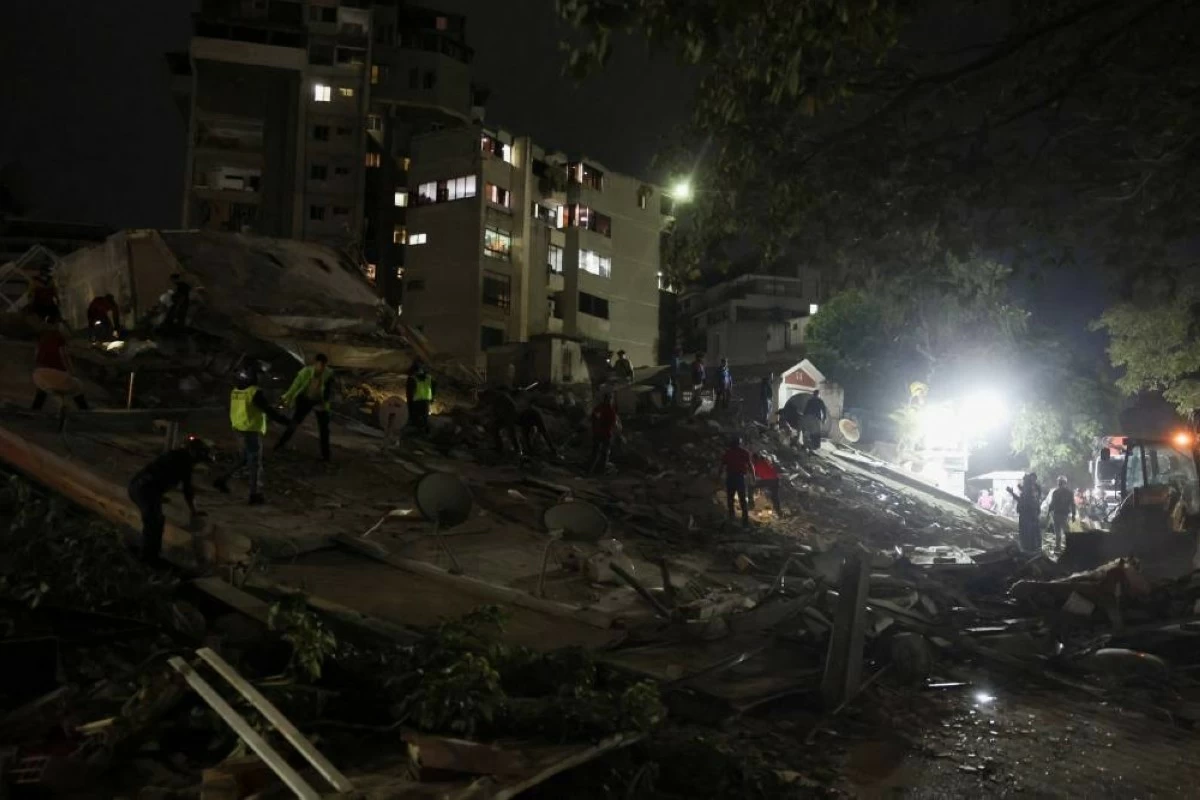
The U.S. embassy in Caracas said it was closely monitoring the aftermath of the quake and urged citizens in the country to seek secure shelter and avoid damaged areas.
Venezuela lies in a seismically active zone where the Caribbean Plate meets the South American Plate.
An estimated 30,000 people were killed when a powerful quake caused widespread destruction in the cities of Merida and Caracas in 1812, according to the USGS.
A tsunami warning was issued but swiftly cancelled after the danger passed.
Hospitals brace for the injured
Fire trucks were seen on the streets of Caracas, where some buildings suffered significant facade damage.
At Caracas' Hospital de Clinicas, staff were asked to double up on the night shift to help treat the injured, a worker there said.
Venezuela's largest airport, in Maiquetia on the coast north of Caracas, was closed due to damages, Rodriguez said.
Classes were cancelled for the rest of the week as authorities began to take stock of the damage.
Venezuela's oil infrastructure did not immediately appear to be affected by the tremors, as almost none of the cities with official reports of severe damage include critical oil infrastructure. Civil protection authorities in Maracaibo, near the large oil hub of Lake Maracaibo, said there were no injuries reported.
Many energy companies with operations in the country were accounting for staff before making initial assessments on the condition of oilfields, plants and refineries. UK oil firm Shell, which is evaluating developing gas fields in Venezuela, said all its employees in the country are accounted for with no injuries.
One source noted that extended loss of power could hit crude output levels until the service is restored. Venezuela's oil ministry, state-run oil company PDVSA and its main foreign partner, Chevron, did not immediately reply to requests for comment.