- City Fajr Shuruq Duhr Asr Magrib Isha
- Dubai 04:20 05:42 12:28 15:53 19:08 20:30

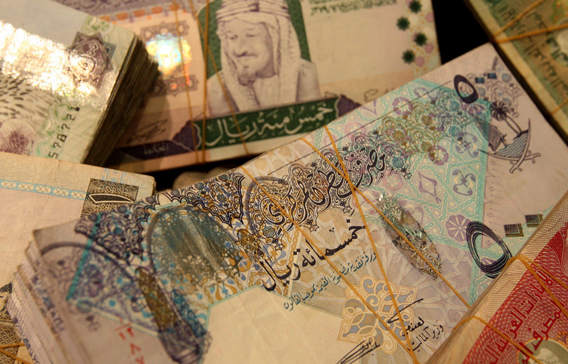
The best drivers of diversification are those that have the strongest linkages with the rest of the economy. (File)
The Gulf countries can earn an additional $17.7 billion (Dh65 billion) through diversification if the region can catch up to the average OECD level of diversification, according to EY study.
Gerard Gallagher, Mena Advisory Leader at EY, said: "Dependence on oil and issues around youth employment are the GCC's biggest economic challenges. With recent oil price volatility, diversification has returned to the top of the GCC agenda; it's an opportunity worth $17.7 billion. To put that into context, it is more than three-quarters of the entire flow of foreign direct investment to the GCC region for 2013.”
"The best drivers of diversification are those that have the strongest linkages with the rest of the economy. These sectors are said to have a high economic multiplier: in other words, a dollar of investment translates into far more than a dollar of GDP due to the stimulation of other sectors. Sectors that fall in the sweet spot include: transport, financial services, retail and tourism, telecoms and R&D," said Gerard.
The analysis of multiplier sectors in hydrocarbon economies shows that additional investment in oil and gas brings the least additional return to GDP at $1.30 and affects just 7 other sectors. Construction is at the opposite extreme. It has the highest economic multiplier, averaging an impact of $1.80 in GDP for every dollar invested in construction activity. This trickle down feeds into almost every other sector.
Michael Hasbani, New Markets Leader, Mena Advisory Services at EY, said: "The key is not for governments to pump more public money into these sectors. The public sector needs to shift from being the main investor to being the enabler and driver of business, resetting the incentives, removing regulatory obstacles, encouraging collaboration and providing world-class infrastructure and services. The goal for diversification is not what is achievable in each individual country, it is how Gulf companies and governments can find innovative, proactive and profitable solutions to challenges such as resource scarcity, demographics and digitalization, that are having a profound impact on how business is done and on where jobs are created."
Prioritising job creation
Creating jobs will be a critical outcome. However, diversification does not automatically create jobs that are viable substitutes for public sector employment. Creating private sector jobs will not ensure employment for young nationals unless they are taught the technical skills and professional attitudes that would both motivate and enable them to take on the increasingly demanding jobs that the knowledge economy brings.
To tackle this issue, many of the Gulf countries have been working to improve their education systems and have developed innovation ecosystems, encouraging technical research and entrepreneurship.
"Diversification will struggle if the GCC region only looks inwards. Governments and companies in the region should shape global trends to its advantage. The sectors that are preserved without transformation will no longer be relevant to the rest of the world, let alone competitive. The window of opportunity to break the reliance on oil and gas is now, but it will require new and innovative approaches to make it happen. It is time to truly capitalize the collective strength of the GCC, integrating our economies and harmonizing regulations to encourage long term, sustainable prosperity and fulfil our global ambitions," said Michael.
 Follow Emirates 24|7 on Google News.