- City Fajr Shuruq Duhr Asr Magrib Isha
- Dubai 04:20 05:42 12:28 15:53 19:08 20:30

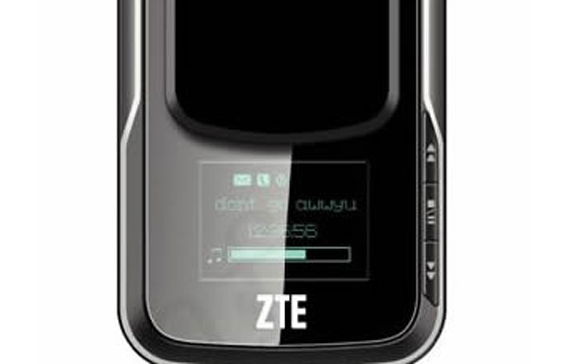
ZTE is now a publicly traded company with shares listed in both Shanghai and Hong Kong. (SUPPLIED)
Chinese telecommunications giants Huawei Technologies and ZTE are treading familiar ground in their clash with India, scrambling to soothe spying concerns in a tough market they cannot afford to leave.
In a nod to India's growing clout as a telecoms consumer, the pair of Chinese firms has made several moves in the last week, including potential localisation of some production, to try and diffuse a row that has seen New Delhi stop most of their imports.
As markets go, the stakes are huge.
India now accounts for about $1 billion (Dh3.67bn) of ZTE's annual sales, or about 10 per cent of its total, while Huawei says it logged about $1.5bn in contract sales in the market last year, about five per cent of its total.
But margins are also incredibly thin in the highly competitive market, leading some to say a limited pullback could also be possible. "This market is a big challenge for us," ZTE Chairman Hou Weigui told Reuters in a recent interview before the current conflict. "After so many years in India we haven't earned any profit. It's a big market, but we don't have any hopes for profit there."
Both ZTE and Huawei trace their roots to entrepreneurs who came out of China's old system of state-run enterprises – a possible source of India's mistrust about the companies now playing out.
ZTE was founded by a group of engineers from a state-run company in interior China who came to the boomtown of Shenzhen in the 1980s to try their luck after the city was declared a special economic zone for private enterprise.
Huawei is grounded in similar roots, founded by a former People's Liberation Army engineer who also set up shop in Shenzhen as an agent selling imported telecoms equipment.
While ZTE is now a publicly traded company with shares listed in both Shanghai and Hong Kong, Huawei remains privately held. India's telecoms carriers, which are embarking on a new spending wave after the country's recent issue of 3G licenses, are likely lobbying strongly behind the scenes to resolve the issue, which threatens to lock the world's top two low-cost equipment providers out of the market if it goes unresolved.
Such an impasse would play into the hands of the world's other major suppliers, Ericsson, Nokia Siemens Networks, Alcatel Lucent and Motorola, said Joseph Ho, an analyst at Daiwa Securities.
 Follow Emirates 24|7 on Google News.