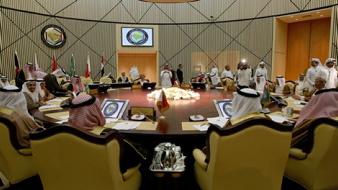
Gulf oil producers are expected to record budget deficits or tiny positive balances in 2009 as the global financial distress has reversed several years of fiscal euphoria that saw them accumulate more than $600 billion (Dh2.20 trillion) in budget surpluses. The six Gulf Cooperation Council (GCC) countries, which control nearly 45 per cent of the world's proven oil deposits, could have shunned shortfalls in their 2009 budgets as oil prices are projected to average above their estimates. But most of them are believed to have heavily overshot assumed spending as part of overall stimulus measures intended to mitigate the impact of the crisis and prevent a sharp downturn in their economies after years of high growth. The six members, which rely heavily on oil exports, have amassed nearly $605bn in fiscal surpluses during 2003-2008 as a result of strong crude prices, which also allowed them to sharply bolster their foreign assets. As oil prices this year are projected just above half their 2008 average and the six members are pumping far below last year's oil output, their crude export earnings could plunge by nearly $250bn in 2009. From a record $459bn in 2008, the GCC's combined crude export earnings are projected to tumble to nearly $258bn in 2009, according to the London-based Centre for Global Energy Studies (CGES) and other sources. While deficits had jolted their economies and forced them to resort to borrowing a decade ago, any fiscal gap this year will not have any major problem for them given strong growth in their non-oil sector and the fact that they are using their immense overseas assets to cover the shortfall. "Some of them might record a tiny surplus this year while others could have a small deficit," said Ihsan bu Hlaiga, a Saudi economist. "But when you look at the assets they have built up during the boom period and the surpluses achieved over the past seven years, this is not a problem at all." Large GCC budget surplus Strong crude prices, which hit a historic high of $147 in mid 2008 before averaging around $95 through the year, allowed GCC countries to record their highest ever budget surplus of nearly $189bn last year though they had forecast a surplus of only around $32bn. Saudi Arabia accounted for more than 80 per cent of the surplus. Analysts said most of the GCC budgets could record deficits because of weak oil prices, high public spending and lower crude production as the group's four Opec members are cutting output in line with an Opec pact. Saudi Arabia, the world's dominant oil power, is expected to bear the brunt of the cuts as it pumps just below a third of the group's supplies. The kingdom's oil production is projected to average about 8.2 million barrels per day in 2009 compared with more than nine million bpd in 2008. "If oil prices average $40 a barrel, then you will see a deficit in the Gulf budgets this year," said Saeed Al Shaikh, Chief Economist at the Saudi National Commercial Bank, the largest Saudi bank. "The main reasons are that most GCC members assumed an oil price near that level or higher but they have budgeted relatively high spending and could still boost actual spending through the year… another reason is lower output which will put further cuts on their crude income." According to the Saudi American Bank (Samba), the budget position in the GCC countries this year will depend on how far they will go in surpassing forecast expenditure to fulfil their commitment to pledged stimuli. "Given that GCC spending traditionally overshoots announced budgets, the break even oil price is just a rough indicator, and understates the likelihood of fiscal deficits emerging budget balances will be heavily dependent on how far the GCC governments are prepared to sustain and/or raise spending to help support their economies," according to Samba's recent study. In Saudi Arabia, the largest GCC member and the world's top oil exporter, the government is believed to have largely exceeded budgeted spending so far this year despite its approval of a record budget for 2009. Saudi overspending Although oil prices are forecast to average above the kingdom's assumed price, overspending is expected to create a small deficit in this year's budget after a fiscal surplus of nearly SR590bn (Dh579bn) in 2008. "With oil prices now expected to average $54 a barrel and oil production at around eight million bpd, Saudi Arabia will see oil revenues fall by nearly 60 per cent in 2009 – ushering in a period of difficult economic adjustment," said National Commercial Bank, the largest Saudi bank. "With falling oil revenues, the fiscal balance is expected to swing into a deficit of around four per cent of GDP, as the government resorts to the accumulated reserves in recent years to go ahead with expenditure plans to stimulate domestic demand. We nevertheless estimate that both the fiscal and current account balances will once again realise surpluses in 2010, as oil revenues are expected to recover with o