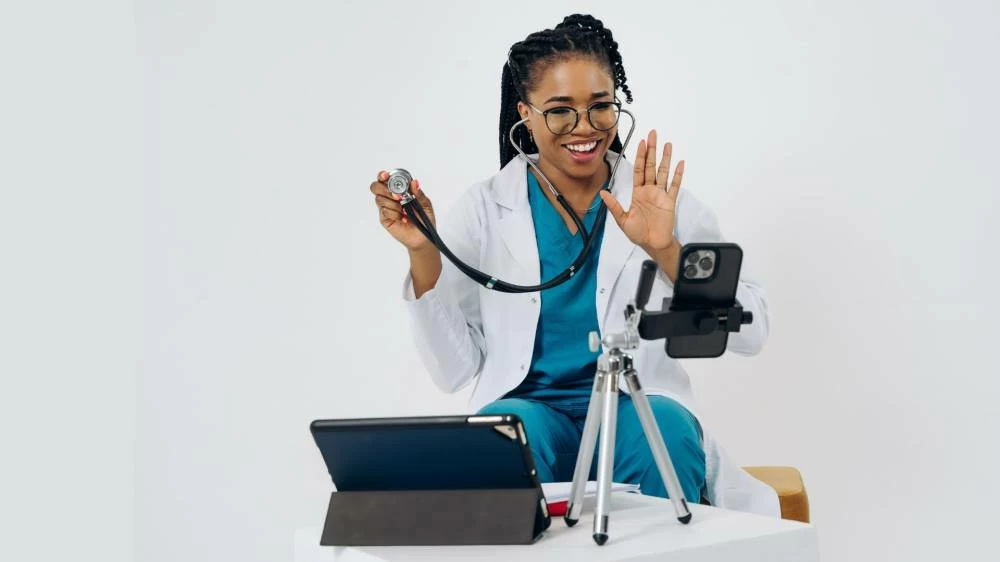
What's allowed, what's banned: DHA social media advertising rules for doctors, clinics and influencers
The Dubai Health Authority has issued comprehensive standards governing how healthcare professionals and influencers can promote medical services online – here's a full breakdown

Dubai: Doctors, clinics and hospitals are being instructed to be more careful with the words they use and claims they make on social media, thanks to new standards issued by the Dubai Health Authority (DHA).
Here’s everything you need to know about the DHA’s Standards of Medical Advertisement Content on Social Media.
What are the DHA’s Standards for Medical Advertisement Content on Social Media?
The Health Regulation Sector (HRS) – the key regulatory arm of the DHA, responsible for governing, licensing, and setting clinical and operational standards for Dubai's healthcare ecosystem – issued the Standards for Medical Advertisement Content on Social Media in an effort to maximise abidance, compliance and adopt good ethical medical practice.
The Standards are a proactive and preventative measure to safeguard and prevent misleading, unethical and unnecessary selling of healthcare services. They ensure that people receive a balanced viewpoint for informed decision-making.
According to the DHA, the Standards adopt current international best practices for managing ads on social media. They also protect and prevent patients and the public from incorrect, ambiguous, misleading and unethical medical ads.
Who do the new standards apply to?
The DHA’s Standards for Medical Advertisement Content on Social Media apply to DHA-licensed health facilities and healthcare professionals who advertise on social media platforms like TikTok, Instagram, YouTube, Facebook, Snapchat, WhatsApp and LinkedIn.
The rules also apply to social media influencers who promote a health facility’s services, treatments or outcomes, according to the DHA.
How should health professionals and facilities advertise on social media?
The Standards state that health facilities and healthcare professionals may:
- Promote public health information as part of their public health campaign or public health activities.
- Raise public awareness of particular products and services.
- Anyone receiving financial or other material benefit for promoting products and services should be transparent about it, and document and disclose this information to their patients.
- All advertisements must be factually accurate, reliable and substantiated, and contain all risks and benefits, including the advantages and disadvantages of services provided.
- The information shared must be based on accepted medical practices, peer-reviewed research, or legitimate and recognised scientific and medical sources.
What should health professionals, facilities, and influencers avoid doing?
The Standards clearly identify behaviours and practices that must be avoided:
- Health facilities and healthcare professionals must not promote products and services that are non-therapeutic, not directly related to healthcare, not proven to be healthy or sound, not supported by clinical evidence or that affect health adversely.
- They must avoid absolute statements, exaggerated claims and alarming expressions, such as: unique, one of a kind, the best, exclusive, safest, the only, incomparable, unprecedented, best product, magic, miraculous, assured success, very limited quantity, has no side effects, get money back, 100%, absolutely certain, distinguished, famous, pioneer and immediate results.
- Facilities and professionals must not use titles that differ from their DHA licence, and refrain from terms like ‘cosmetic specialist’ or ‘consultant’, ‘aesthetician’, ‘beauty expert’ and others.
- Healthcare professionals must not claim that their products or services are better than those offered by other doctors or healthcare facilities. They also must not claim that their healthcare service is ‘better’, ‘as safe as’ or ‘safer than’ another.
- Advertisements must not exploit the trust of customers, and fine print statements must be legible and placed in a prominent location.
- Facilities and professionals must avoid social media discussions with patients who may disclose their health information. They must assure the protection of patient privacy on social platforms at all times.