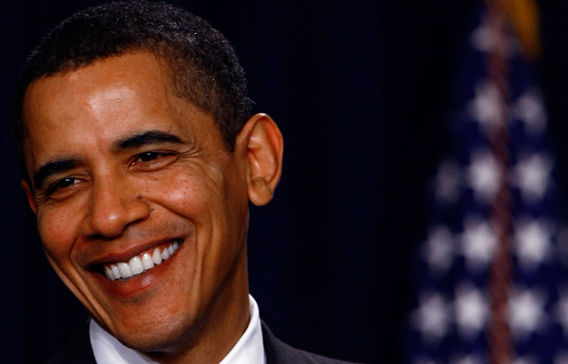
US President Barack Obama has launched a stern challenge to China, using the big stage of the G20 summit of world powers to demand Beijing's help in rebalancing the world economy. The G20 leaders, representing both the world's established economic giants and its dynamic emerging powers, agreed a package of measures to cut deficits, stimulate growth and return stability to financial markets. But Obama went further than the carefully worded joint statement, using his post-summit press conference to remind China that the US expects it to allow its currency to rise and to reduce its huge trade surplus. "My expectation is that they're going to be serious about the policy that they themselves have announced," Obama said, welcoming China's announcement last week that it will allow more flexibility in the yuan exchange rate. As the world limps out of the worst recession since the 1930s, American policymakers fear the recovery will revive the one-sided trade across the Pacific in Chinese goods kept cheap by the low level of the yuan. "After years of taking on too much debt, Americans cannot – and will not – borrow and buy the world's way to lasting prosperity," Obama declared, in an implicit swipe at export-led economies such as China's and Germany's. "No nation should assume its path to prosperity is paved with exports to America. Indeed, I've made it clear that the United States will compete aggressively for the jobs and industries and markets of the future." "A strong and durable recovery also requires countries not having an undue advantage," Obama said, demanding "currencies that are market-driven". China shifts yuan rate slightly after G20 pressure China yesterday set its yuan exchange rate marginally higher following the Group of 20 summit, but analysts warned the shift was symbolic and did not presage a major revaluation of the currency. The move by the central bank came after US President Barack Obama and other leaders used the weekend's G20 meeting in Toronto to intensify pressure on Beijing to let the yuan strengthen. The People's Bank of China said it set the central parity rate – the centre point of the currency's allowed trading band – at 6.7890 to the dollar, a fraction stronger than Friday's 6.7896. It was the strongest level policymakers have set since China unpegged the currency in July 2005 and moved to a tightly managed floating exchange rate. China's central bank pledged about a week ago to let the yuan trade more freely against the dollar but ruled out dramatic moves in the currency or a one-off appreciation. The action was widely seen as a bid to head off an ugly spat at the G20 meeting following months of intense pressure on Beijing to embrace currency reform as part of efforts to enhance a global economic recovery. The currency appreciated 0.53 per cent against the greenback over the course of last week. However, Beijing refused to let the G20 praise it for the shift, insisting the issue had no place in international forums. In yesterday's trade, the yuan was slightly weaker at around 6.7912 to the dollar. Analysts downplayed the significance of the move, saying it might temporarily appease critics but did not signal a significant revaluation.