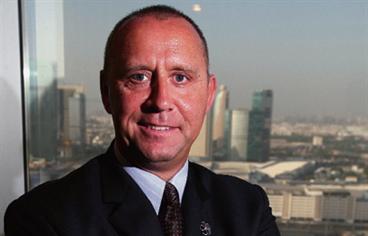
The relevance of associations has increased in the current crisis and their budgets have gone up by more than 23 per cent, believes Robin Lokerman, President, Asia-Pacific, CEO Institutional Division, MCI, in an interview with Emirates Business. His faith in the region is growing almost as fast as the business of associations itself. "Authorities are realising the importance of associations and we are in discussions with various government bodies to legalise the establishment of associations," says Lokerman. "In fact, if all goes as planned, we are looking at a formal announcement from the government on legalising associations and their activities," he adds. How do you contribute to the relevance and importance of associations in a highly-competitive and commercial world of business? We take over the full management needs of our clients and that include bringing together a lot of individuals and organisations, which can even include government authorities. There are lots of meeting and event organisations, but MCI goes beyond that and organises events, manages their operations and provides strategic solutions to all their congress, seminar and organisational needs that eventually become an essential part of their strategic planning. The challenge, however, is to stay out of politics of the organisations and make them more effective. It's part of the whole process and we guide them from outside to enhance their productivity and help them achieve their desired results. Has the relevance of associations been affected in the current economic times? Associations have in fact seen a rise in their activities and their expenses have gone up. Corporations may have become cautious in their activities, but associations are making a combined effort to face the crisis and the importance of our role has increased substantially. To be more specific, corporations have decreased their communications budgets by 20 to 25 per cent but association activities have gone up by 30 per cent. In times of uncertainty, associations bring together all the participants to share not only their problems but also solutions. Individual association members also seek regular interaction and are on the look out for job openings and industry trends. On a realistic note, financing of events and seminars may have gone down, but hosting of association congresses has gone up, seeking solutions to brave the economic storm. What are your strategies to ride out the storm? Dubai is a shining example of a change in strategy. It has not ceased to operate to sail out the stormy times. We have to scale down the size of events but no one has to stop holding seminars and congresses. Gourmet meals may be getting replaced by buffet dinners, but there is more of a need to stay active and maintain regular contacts within and outside the industry. And this is applicable to all industries. There was a lot of cancellations in the second half of the past year but that was a knee-jerk reaction and very soon people realised that they do need these activities and must maintain a regular flow of communication, which is the main objective of association gatherings. In Dubai, be it the Dubai International Film Festival or the Air Show, DSF or DSS, events and activities have not been cancelled but probably reduced in size and spending. Is there any difference in the level of acceptance of association by the industry in various parts of the world? Yes. There's a difference in acceptance and one of our responsibilities is to educate and emphasise the relevance of associations. Our key objective in this part of the world is to legalise associations that are working under the umbrella of various organisations but not as independent associations, because of the lack of legal support. In fact, we have received very encouraging response from local authorities and we expect a law legalising the establishment of associations very soon. In fact, in China, there's total acceptance as government and government-owned authorities are learning the advantages of associations to implement their views and opinions and execute their objectives. How big is the business of managing associations and unions? Brussels has the largest number of associations and it is considered the unofficial centre of the associations market. There are more than 1,800 international associations registered there. The collective budget of these associations is €1.6 billion (Dh8.57bn). But the future is in emerging markets and associations are expecting to grow by more than 60 per cent in the next five years. How big is the business in the Middle East? The Middle East is the fifth largest market in the world. The Middle East, including the North Africa region, is a vast area with more than 30 million population. Some sectors, including health and education, are very strong in this region and that calls for associations to regulate businesses and provide broader strategic solutions that are tailored for the region. D