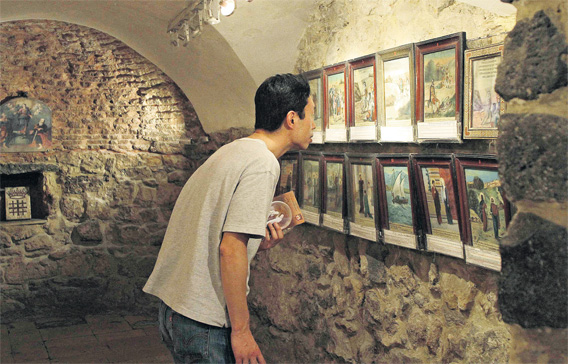
Syria's tourism industry will generate 12 per cent of gross domestic product (GDP) this year, according to Tourism Minister Saadallah Agha Al Qalaa. It already accounts for 23 per cent of Syria's hard currency earnings and provides 13 per cent of its jobs. He said tourist arrivals had jumped by a "spectacular" one million in the first four months over the same 2009 period. "Of course, we had some difficulties to provide the appropriate hotel capacity," he said. International tourism earned Syria $5.2 billion (Dh19.1bn) in 2009, plus $1.5bn from domestic tourism, 12 per cent more than the previous year, despite a global recession, which saw worldwide tourism receipts shrink four per cent, Al Qalaa said. Syria has fuelled the tourism boom by removing visa requirements on visitors from Turkey and Iran. Busloads of Iranian pilgrims clog streets around shrines such as the gold-domed Sayyida Zeinab on the outskirts of Damascus. European tourists are drawn by archaeological treasures such as the desert ruins of Palmyra or the old cities of Aleppo and Damascus, spruced up in recent years and now boasting dozens of boutique hotels and restaurants in restored courtyard houses. Some of these refurbished hotels, targeting a wealthy clientele, say they are booked for up to a year ahead. "People come because it is special," said Mayssa Rumman, manager of Beit Rumman, a six-room hotel in a 17th century house in the Old City of Damascus which her family bought in 2004. "We will need another three or four years to break even," she said. "Everything here is custom-made and it takes time for people to do it, so you are investing time, money and effort." New hotels are being built too slowly to cope with tourist numbers rising roughly 15 per cent a year in the past decade. "We still have a real challenge, with bottlenecks in high season, mainly in Damascus," said Al Qalaa. He said tourist projects under construction were worth $6.3 billion, compared to those in service worth $4.4 billion, but it would take time to complete them and train staff properly. Syria now has only 52,000 beds in two- to five-star hotels and received six million tourists last year, although these included 3.5 million Arabs and a million Syrian expatriates. With oil resources dwindling and the effects of a severe 2008-2009 drought still lingering, Syria certainly needs a healthy contribution from tourism if it is to meet its target of five percent GDP growth in each of the next five years.