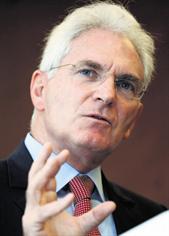
As stock markets go up and oil crosses $60 per barrel, experts seem more optimistic about the global economy in recent months and are saying they can spot green shoots of growth, mainly emanating from China. "What we are seeing is the beginning of green bamboo shoots in China," says Dr Nasser Saidi, Chief Economist of DIFC. "There have been some positive indications. The common theme that is being felt is that worst has passed," said Amrith Mukkamala, Senior Analyst, Kuwait Financial Centre (Markaz). According to Dr Saidi, "any global recovery will be driven by the emerging markets, particularly China." The Chinese demand had led to an increase in commodity prices in the past few years and even during the recovery phase the demand will come from the country. China has increased its output and that will increase in demand for oil, the DIFC Chief Economist told Emirates Business. "We can see a recovery in Taiwan based on an increase in exports from Taiwan to China. The latter is sourcing raw materials and semi finished products from Taiwan," he said. However, experts also cautioned while defining the recovery mode. "This [positive indications] does not mean that strong growth rates might return back immediately. It just means that the extent of declines might be lower than what was experienced before and in the latter part of the year there might be a recovery," said Mukkamala. Some data does signify stabilisation. "In the credit markets, the Ted spread [an indicator of perceived credit risk in the general economy] is back to levels seen before the collapse of Lehman Brothers. There are some encouraging data points from China. The oil imports in China in the month of April has witnessed an increase of 14 per cent on a y-o-y. It has to be noted that this is the first such increase in oil imports this year. Also, the data from the developed world especially that of the United States is showing lesser declines than what was anticipated," said Mukkamala. However, there are some experts, who believe that it will be a long deflationary cycle before we see the road to recovery. According to Abdul Kadir Hussain, CEO, Mashreq Capital, the rise is oil prices does not signify an immediate reversal in the global economy. He believes it is more of a "spike", and it needs to be seen whether this will last or not. "The current spike is on the back of better global industrial production data which has been driven by rising Chinese demand. "Whether this is sustainable or not will depend on many factors including a sustained recovery in Chinese and Asian exports, continued access to credit globally and increasing risk appetite," he told this newspaper. "Empirical evidence does show encouraging signs. China is pumping a lot of liquidity into the manufacturing sector but it is still too early to say if this is the end of it. There are many factors at play here. The US consumer is increasing his savings and the export engine is the US. We may have seen the worst in real estate and banking sector but the asset quality is still deteriorating. Defaults are happening in the US and Europe," he said. According to Philippe Dauba-Pantanacce, Senior Economist, Middle East & North Africa, Global Markets at Standard Chartered Bank, "even if we start to see some green charts from Asia, particularly China and India, the revival will take time." Pantanacce also does not see any kind of sustained rally in the stock markets. "The optimism in the equity markets may be premature. Market players adjourn on any small piece of good news after bad months," he said. A recent Nielsen Global Consumer Confidence Study suggested that global consumers have been battered by a constant onslaught of bad economic news. Keep up with the latest business news from the region with the Emirates Business 24|7 daily newsletter. To subscribe to the newsletter, please click here .