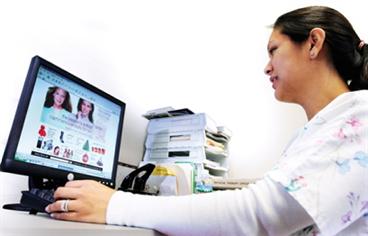
Businesses looking for ways to boost their bottom line need to know that the most important consumer trend right now is 'transparency triumphs'. This includes transparency in pretty much anything that affects the consumer – opinion, prices, standards. According to the latest report by Trendwatching.com, 'transparency triumphs' is fuelled by the easy access that consumers have to information via the internet, which is supplemented by the new-age gadgetry that enables people to post reviews, photos, prices etc on the internet within seconds and which gets picked up by other consumers almost as quickly. Trendwatching.com said: "A transparency Review R(evolution) is going on. It's a need that is met online by having access to millions of other consumers and their experiences and opinions, from giant review portals to real-time channels such as Twitter. "Businesses have to understand... that consumers' decision-making processes, which ultimately comes down to whether they will buy from you or from someone else, have truly shifted to a new, powerful peer-to-peer arena." Findings from the latest twice-yearly Nielsen Global Online Consumer Survey of more than 25,000 online consumers from 50 countries add weight to this argument. According to the Nielsen survey: "Nine in every 10 internet consumers worldwide (90 per cent) trust recommendations from people they know, while seven in every 10 (70 per cent) trust consumer opinions posted online. "Consumer opinions posted online tend to be trusted most by Vietnamese internet consumers (81 per cent) and their Italian (80 per cent), Chinese and French (both 77 per cent) counterparts. However, online opinions tend to be trusted the least in Argentina (46 per cent) and Finland (50 per cent). In comparison, 72 per cent of US internet consumers trust them, meaning the US ranks 12 out of the 50 countries represented in the survey for trusting consumer opinions online. "In the UAE, the survey shows 95 per cent of internet consumers trust recommendations from people they know, making word of mouth the most trusted medium. Editorial content came in second place, with 84 per cent of UAE respondents trusting it completely or somewhat, brand websites (72 per cent), brand sponsorships (68 per cent) and consumer opinions posted online (66 per cent)." Speaking to Emirates Business , Tahir Khalil, Associate Director, The Nielsen Company, said: "Word of mouth has always been one of the strongest influencers on a person's decision to buy a product or avail themselves of a service. [As] This [is] coupled with the continuous advancements in computing technology, we are starting to see a new phenomenon loosely termed 'Word of Computers'. Today, instead of just asking opinions from a handful of family and friends, you can log on and read blogs and opinion from hundreds if not thousands of people all over the world." Trendwatching.com said: "This shouldn't come as a surprise: just as with other trends, what is unfolding now is a 'forever need' for transparency among consumers, one that's now being satisfied in a... previously unattainable fashion. "In this case, the need is for trusted advice and recommendations – for feeling in control, for knowing the facts, for avoiding mistakes and disappointments – in order to make that perfect purchase. Which has become even more pressing as choice-overload continues: never before was there so much to choose from in mature consumer societies, and thus such a need for transparency through reviews." Trendwatching.com founder Reinier Evers, said: "It also helps that people looking for information can get this from people who live and think like them (you can find profiles of reviewers online), which makes the information even more relevant. Consumers feel the need for such reviews from other people as they need information, they need trusted information, and why would you trust the companies that are trying to sell to you? Better to trust other consumers who have a smaller stake in convincing you!" The report goes on to talk about the next phenomenon in the transparency trend called 'pricing pandemonium'. "What else can we say about online price comparison than that full price transparency seems near? Show us one consumer who does not spend hours hunting down the lowest fare for a Sydney-Perth trip, the best price for that Philips television, the cheapest copy of Murakami's latest novel" said the report. "Needless to say that the dire state of the economy is making consumers flock to price comparison sites in greater numbers than ever before. So yes, the Shopzillas, Pricegrabbers, Shopping.coms, Kelkoos, Google Product Searches, Bechnas and Roboshoppers of this world will instantly find consumers what has become known as the 'internet price'," it said. "In short, expect consumers to start treating real-world stores as showrooms and try-out centres, while finding the lowest online price via their web-enabled mobile phones. Only hard-to-find and unique object