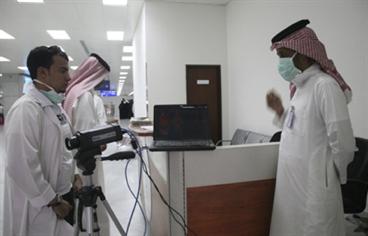
Standing behind a wall of pearls and rosaries in a shop in Mecca, souvenir dealer Mohammad Hamdi says business has never been so bad. Shops, hotels and tour operators in Islam's holiest city in western Saudi Arabia are counting the losses as many pilgrims, worried about a spread of swine flu, stay at home. The Haj, one of the world's biggest religious gatherings, is still two months away but there has already been a marked fall in visitors for the minor pilgrimage known as umra, which can be done at any time of the year. "In previous years people were buying a lot but now only a few come which is hitting sales," said Hamdi, from Egypt. Losses in Mecca is small compared to the massive wealth of the kingdom, which sits on more than a fifth of global oil reserves and billions of dollars in state coffers. But the slump is plaguing a sector the government hopes to develop to help lower dependence on oil. Banks are also trying to cope with the debt problems of large family firms. Faced with a mainly young native population of more than 18 million, job creation is a key challenge for the government. Hotel occupancy rates during the last 10 days of the fasting month of Ramadan, when many perform umra, fell by more than a third to 55 per cent compared to last year, said Walid Abu Sabaa, Head of Tourism and Hotels Committee at the Mecca Chamber of Commerce. Countries such as Egypt, Tunisia and Iraq have sought to limit the number of pilgrims after Saudi Arabia urged the elderly and people with chronic diseases to postpone trips. Businessmen say their biggest-spending clients are staying away. "There is an absence of Gulf pilgrims from Kuwait, the UAE, Bahrain or Oman," said Saudi jewellery dealer Saud Mohammad, who owns a shop inside a mall. Analysts differ on the exact fallout of the H1N1 virus on tourism but agree there will be a hit. "Saudi authorities will be faced with serious health and economic challenges," said a report by Political Capital consultancy. Tourism only contributed 2.7 per cent to the gross domestic product in 2008, according to the central bank. The sector directly employs about 440,000 mostly expatriate workers. The industry depends on domestic travel and pilgrims to the Holy Cities of in Mecca and Madinah, which are seeing massive investments to build hotels, malls or time-sharing apartments. Authorities did not announce any deaths linked to flu in the two cities during Ramadan. In total, Saudi has treated about 3,500 cases of which 26 died, according to local media reports. The country plans to open new health centre and import 10 million doses of vaccine. Pharmacies in Mecca give masks worn by many pilgrims, policemen as well as shop and restaurant staff. But even if the numbers go down authorities still face a big challenge – thousands flock every day to the Grand Mosque with some poor pilgrims sleeping on prayer mats. Workers promptly clean up the mosque, toilets and narrow streets but dustbins quickly fill up in central malls. Keep up with the latest business news from the region with the Emirates Business 24|7 daily newsletter. To subscribe to the newsletter, please click here .