Arab Media Summit discusses Lebanon's future and challenges
Arab Media Summit highlights Lebanon’s path to stability as Bou Saab says the priority is to keep the situation under control and prevent escalation into a broader conflict.
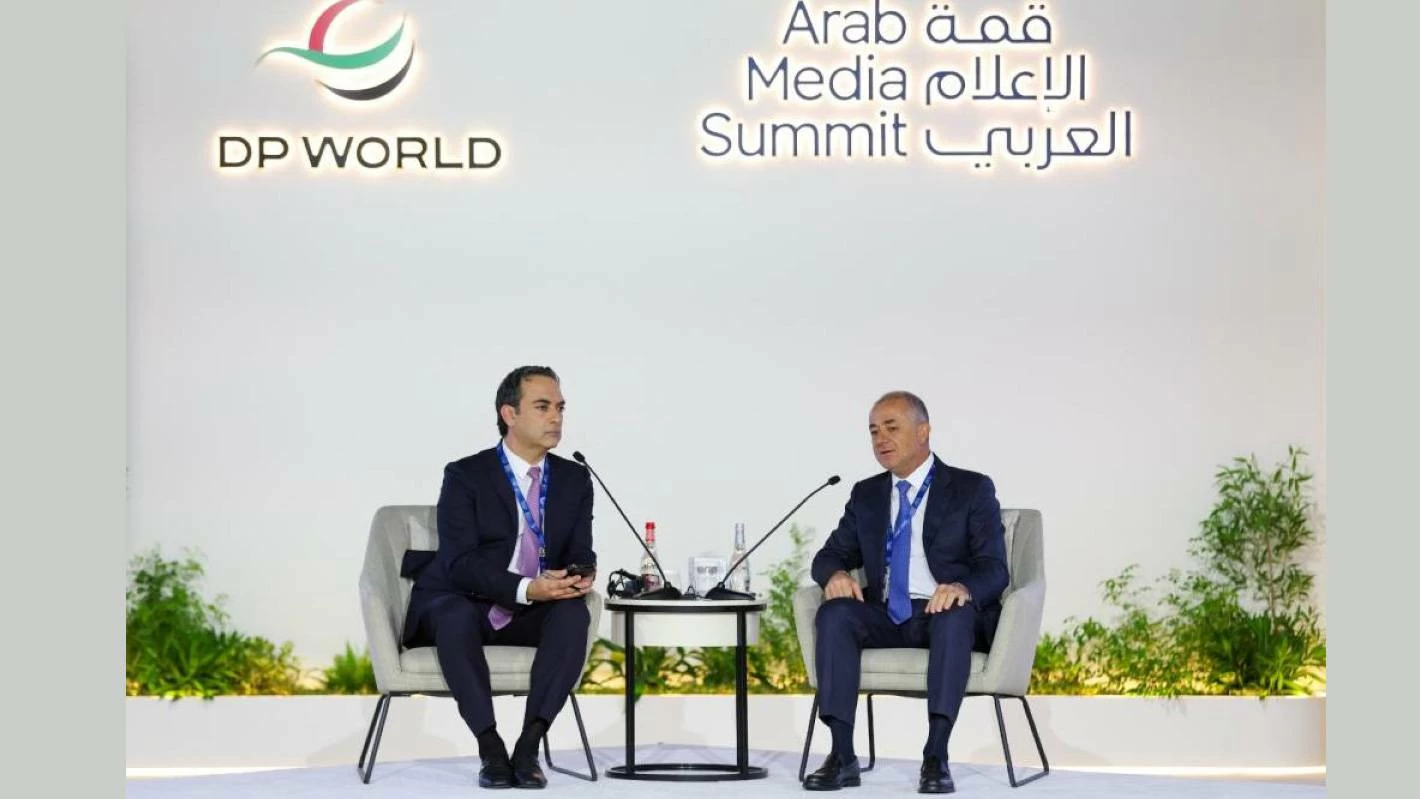
The future of the Lebanese state is shaped by a complex equation that combines an end to the war, the exclusivity of arms under state control, the restoration of state institutions, and the course of regional and international negotiations. During the session, Elias Bou Saab, Deputy Speaker of the Lebanese Parliament, stressed that the path to stability begins with strengthening the army and restoring state authority. He said this must be accompanied by addressing the issue of Hezbollah and weapons, while preparing from now for the post-war phase.
The remarks came during a session at the Arab Media Summit, moderated by Royer Al-Nakhl, a journalist with Sky News Arabia. The discussion covered developments related to the war, the future of southern Lebanon, the relationship between the state and Hezbollah, the impact of US-Iran negotiations, the role of the army, and prospects for reconstruction and economic recovery.
Bou Saab stressed that Lebanon's future cannot be viewed in isolation from regional developments, particularly negotiations between the United States and Iran. He said the United States had previously spoken about separating the Lebanese file from other regional issues, but noted that developments between Washington and Tehran remain an important factor in shaping Lebanon's next phase.
He said the region is also in a period of waiting linked to upcoming political milestones, especially the Israeli elections and US midterm elections. During this period, he said, the priority is to keep the situation under control and prevent escalation into a broader conflict. He also referred to negotiations between Lebanon and Israel, noting that talks began in Washington before moving to Rome. He said changes in the level of US involvement reflect the nature of international interest in the issue.
Bou Saab placed the weapons issue at the centre of the stability equation. He said the future should rest solely with the Lebanese Army and the Lebanese armed forces. He added that reaching this stage requires Hezbollah's acceptance of this approach and cooperation with state institutions.
He said the president and government are the only parties authorised to negotiate on behalf of the Lebanese state. However, he noted that the success of any agreement depends on the state's ability to implement its outcomes. He said Hezbollah will eventually need to reach an understanding with the government to arrive at a workable solution.
He stressed that the issue should not be addressed by pushing the army into an internal confrontation. Instead, he called for negotiation, diplomacy and dialogue. He warned that requiring the military to enter different areas by force could lead to a confrontation that Lebanon does not need.
Bou Saab revealed that a proposal currently under discussion involves the deployment of the Lebanese Army throughout southern Lebanon in cooperation with Hezbollah. He explained that the proposal does not involve the army entering by force to search for weapons. Rather, it is based on cooperation that would allow the military to deploy and obtain the necessary information and maps to address the issue, with southern Lebanon serving as the first phase of the process.
Bou Saab also addressed Hezbollah's relationship with Iran, stressing that he rejects the use of Lebanese territory as part of any regional confrontation. He said any foreign statements that portray Lebanon as an arena for retaliation represent an attack on Lebanese sovereignty and are unacceptable.
He said the next phase must prioritise Lebanon's national interest. “The interest must be Lebanese, not Iranian,” he said. He added that achieving internal consensus on the exclusivity of weapons and the role of the state is a crucial step towards restoring stability and confidence.
Bou Saab then turned to the question of the post-war period. He said Lebanon should not wait for the crisis to end before planning for the future. Instead, he urged preparations to begin immediately for reconstruction and the restoration of state and economic institutions.
He recalled the UAE's support for Lebanon following the July 2006 war, highlighting its contributions to schools, hospitals and reconstruction projects. He said restoring stability could reopen the door to development and renewed international support.
Bou Saab concluded on an optimistic note. He said Lebanon is capable of recovering and that wars, regardless of their duration, do not last forever. He added that ending the war, restoring stability and placing weapons exclusively under state control could pave the way for a new phase in which the Lebanese people can rebuild, work and revive the economy.