Former ICC judge Navi Pillay wins 2026 Nobel Peace Prize
Born in Durban, in South Africa's Natal province, in a family of Indian Tamil origin, Navi Pillay, 85, has been a judge on several international courts
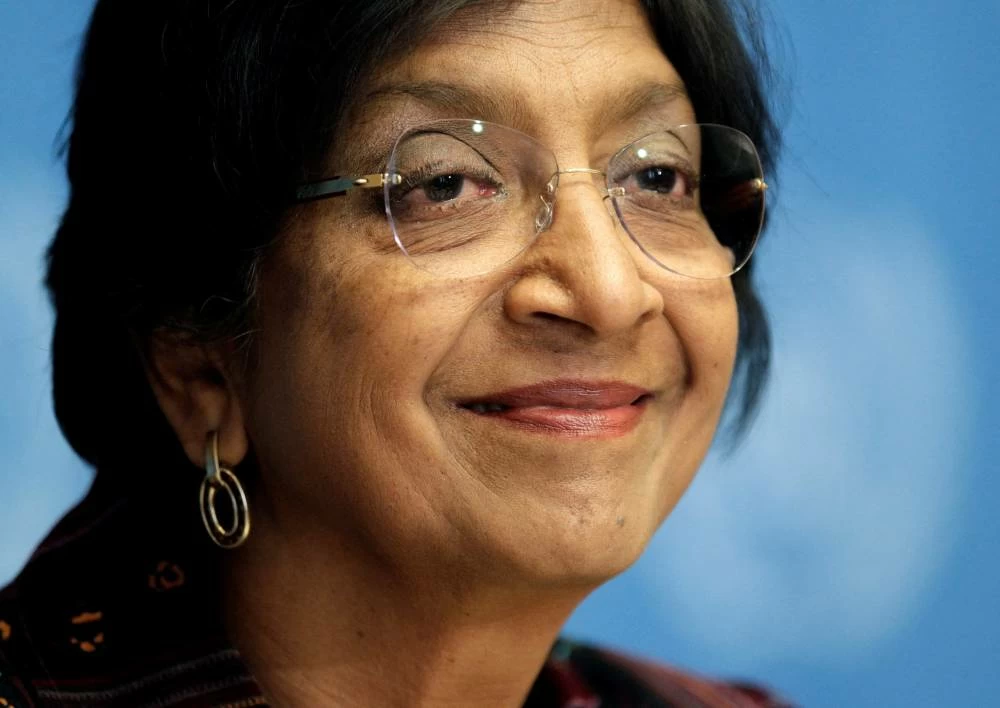
OSLO: Navi Pillay, a former ICC judge who oversaw a UN report that concluded that Israel committed genocide in Gaza, won the Nobel Peace Prize on Friday "for her efforts to promote peace and international law".
This year's Nobel Peace Prize underlined the importance of maintaining an organised international order, the committee said in its citation.
"The system of international law is under tremendous pressure, and its institutions are under attack," it said.
"We see a shift towards power politics at the expense of legal frameworks and global respect for law and justice. Whenever might overtakes right, it undermines stability, trust and peaceful co-existence."
Born in Durban, in South Africa's Natal province, in a family of Indian Tamil origin, Navi Pillay, 85, has been a judge on several international courts, including the International Criminal Court and the International Criminal Tribunal for Rwanda.
She was also chair of the UN Commission of Inquiry on the Occupied Palestinian Territory that concluded last year that Israel has committed genocide in Gaza.
She has also served as United Nations High Commissioner for Human Rights.
In 1967 she became the first woman to start a law practice in Natal and the first non-white woman to serve on South Africa's High Court.
'Firm moral compass'
Pillay held states and national leaders accountable and brought hope to victims of violence and conflict, and demonstrated a firm moral compass in her long career, said the committee.
"A common thread runs from her early work defending Nelson Mandela and others who stood up against apartheid to her service as a judge in some of the key international court cases of our time," said the citation.
The Hague-based ICC has been the target of an escalating campaign by US President Donald Trump, who last month urged countries to leave it.
Washington has already imposed targeted sanctions on several prosecutors and judges at the court and, according to sources, is considering wider sanctions in retaliation for the targeting of Israeli leaders.
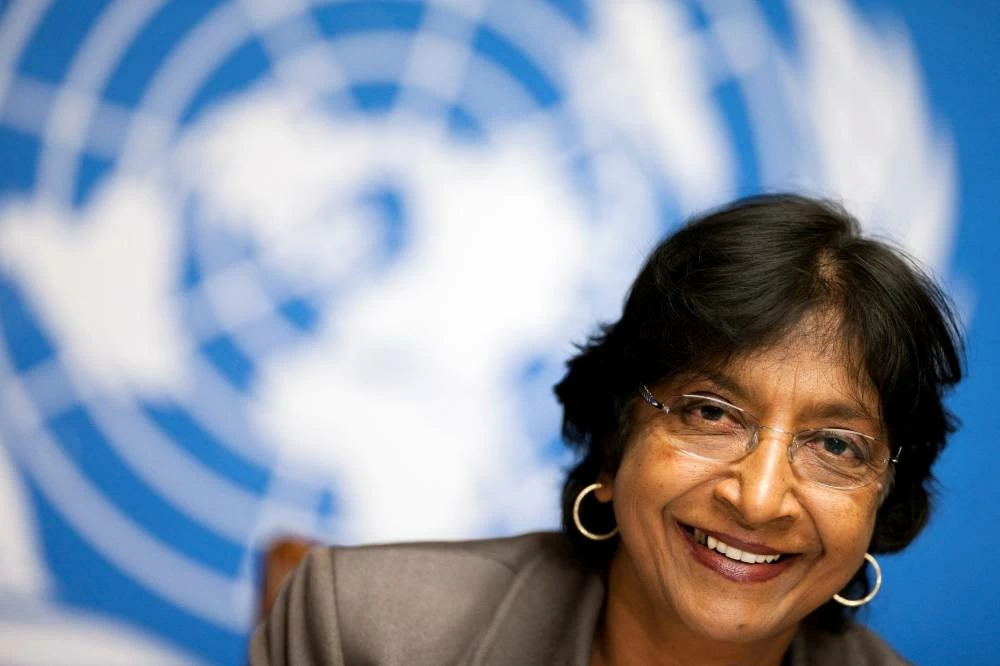
The committee was not directly criticising Trump by rewarding Pillay, according to Haakon Gjerloew, acting director of the Peace Research Institute Oslo.
"I think it's generally rather a promotion of an international legal world order. Of course, he might react to someone who has been part of the ICC, but it's not a direct attack on Trump," Gjerloew said.
The peace prize is the fifth Nobel awarded this week, after literature, chemistry, physics and medicine. Venezuelan opposition leader Maria Corina Machado won in 2025.
The Nobel Peace Prize, worth 12 million Swedish crowns, or about $1.2 million, is due to be presented in Oslo on December 10, the anniversary of the death of Swedish industrialist Alfred Nobel, who founded the awards in his 1895 will.
ICC hails Nobel Peace Prize for Pillay
The International Criminal Court said the Nobel Peace Prize awarded to its former judge Navanethem "Navi" Pillay on Friday was important recognition for the role of international justice as a cornerstone of peace.
"This is an important recognition of the vital role that international justice plays as a cornerstone of lasting peace," ICC President Tomoko Akane said. "At a time of profound challenges to the international legal order and the rule of law, this recognition carries particular significance."
Nobel award 'collective win' for human rights and justice
The UN human rights chief said on Friday that Navi Pillay's Nobel Prize win was a collective win for human rights and for all those seeking justice and accountability, including through the International Criminal Court.
"The fact that the Nobel Award Commission decided to give this to Navi Pillay is a collective win for human rights, but also for seeking justice and accountability in this world," said Volker Turk of his predecessor Pillay who was High Commissioner from 2008-2014.
"And it's clear that we need international criminal accountability mechanisms, including the International Criminal Court, and it's clear that we have a very strong signal that this is absolutely critical in today's world," he told reporters.