GCC bourse regulators urged to curb speculations
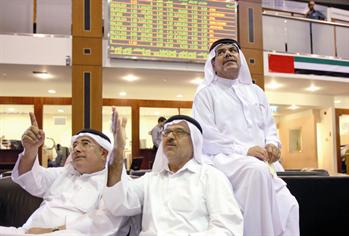
Gulf bourse regulators should take measures to put an end to speculative trading which has hampered sustained market improvement and inflicted heavy losses on millions of regional investors, according to a semi-official study.
The problem is complicated by lack of transparency market makers, and the random entry of foreign investors who had helped stoke speculation in the stock exchanges of the six-nation Gulf Co-operation Council (GCC), the government-controlled Emirates Industrial Bank said in its monthly bulletin.
"Changing these trends in GCC markets and converting them from speculation halls into development centres is possible through the development of new legislation that will curb speculation, spread investment education and strengthen transparency and disclosures. Another crucial element is the establishment of market-makers, which can play a key role in stabilising these bourses."
The study said persistent speculation had deepened the problem in the GCC bourses and put obstacles to real and viable recovery despite recent improvement in global stock markets.
As a result, regional exchanges have reeled under heavy losses and this has affected millions of GCC investors and consequently reduced the size of the middle class which is a "key factor in regional stability".
"GCC stock markets have suffered over the past three years from a real crisis, which is still continuing despite changes in the surrounding economic conditions during that period, including the increase and then decline in oil prices, as well as the global financial crisis," EIB said in its Arabic language bulletin.
"So far, no studies have been conducted by market regulators about the economic and social effects of the bourse crisis on their local societies… with the continuation of this crisis, such studies have become exceptionally important for the stability of economic and social situation in the GCC and the future development strategies and trends in member states."
The study said millions of GCC investors have placed most of their "savings" in these bourses and consequently they have been severely hit by the collapse of the GCC markets and Arab bourses as well, mostly over the past year.
"This collapse was a direct result of many factors, mainly the short life span of most regional bourses, lack of investment awareness and poor level of transparency. This will block a recovery in these markets in the near future," it said.
Figures by the Abu Dhabi-based Arab Monetary Fund (AMF), which tracks the region's 15 official stock exchanges, showed Arab equity markets lost around $480 billion (Dh1.78 trillion) between August 2008 and the end of May 2009. Nearly $469bn in losses were suffered by the GCC bourses.
Most bourses in the GCC and other Arab countries began their decline in the second quarter of 2008 following one of their best periods in 2007. The decline was precipitated by the aggravation of the global financial distress with the collapse of the Lehman Brothers in mid September 2008.
Arab markets started their rapid climb in 2005 when they ended the year higher by around $383bn. They dipped by $169bn in 2006 before sharply rebounding by nearly $187bn at the end of 2007 and collapsing by a staggering $586bn through 2008 to one of their lowest levels of $599bn.
Dealers have blamed massive speculation for the sharp volatility in those markets, mainly in the GCC's bourses of Kuwait, Saudi Arabia and the UAE.
"If we take into account the recent developments in the global markets, mainly during March and April, we find they have been quicker in recovering than regional markets. This disparity can be attributed to the widespread speculation that hit the GCC bourses before the global crisis. Most regional bourses reeled under a wave of speculation during 2005 and 2006," it said.
"Speculative trading is still the dominant factor in the GCC markets, which have actually become a base for speculation instead of being a channel for development and long term investment that will contribute to supporting the economies in member states," EIB said.
Keep up with the latest business news from the region with the daily Emirates Business 24|7 newsletter. To subscribe to the newsletter, please click here.