Apple phases out toxic chemicals
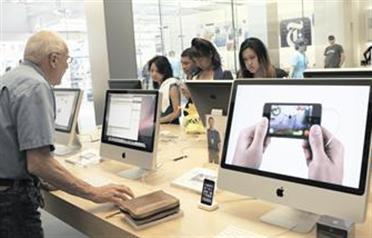
Of the world's five top PC makers, only Apple kept its promise to phase out toxic chemicals in 2009, according to a report.
The Guide to Greener Electronics brought out by the environmental organisation Greenpeace, in its 11 edition, shows which electronics firms are investing to meet their commitments to remove toxic substances from their products, tackle climate change, and introduce better recycling and take-back policies.
When electronics companies pay for the collection (take-back) and recycling of their own products, they have the added incentive to develop cleaner, more recyclable products.
HP, Lenovo and Dell got penalty points in the guide while Philips jumped to the fourth place from 15th in the list of electronics companies who are cleaning up their act. The top PC makers had promised to eliminate vinyl plastic (PVC) and brominated flame retardants (BFRs) from their products by the end of 2009.
The phase-out of toxic substances is an urgent priority to help tackle the growing tide of e-waste, according to Greenpeace.
The guide pointed out that producers only go green when they feel public and consumer pressure to do so.
Dell produces a desktop, a notebook and several models of monitors that have a reduced use of PVC and BFRs, and a few monitor models that are free of these substances. Lenovo has two models available that are PVC and BFR-free. HP is trailing behind, and has yet to bring out models with even a reduced use of PVC and BFRs. While HP and Dell have yet to set a new timeline for completely eliminating these substances from all their products, Lenovo has delayed its deadline to the end of 2010.
Apple does not have certified PVC-free power cords yet, but in every other way its products are now PVC and BFR free. "If Apple can do it, then so should the other leading PC manufacturers," said the report. "We believe all electronics companies should have at least one toxic-free line of products on the market by the end of the year. Acer remains committed to phasing out PVC and BFRs in 2009."
The Guide's star this time went to Philips – and the 47,000 people who sent e-mails to the company. The Dutch electronics giant reacted to e-waste campaign with a dramatic about-turn on recycling and take-back.
Following public pressure, the company has significantly improved its position on taking financial responsibility for the recycling of its products when they become e-waste.
Recycling costs are influenced by the amount of toxic chemicals present and how easy products are to recycle. This "pay for the mess you make" approach is called "individual producer responsibility", and it is crucial to the greener development of the electronics industry.
Despite an overall slump in scores in the toxics categories, companies are starting to improve their scores on energy criteria. IT is a key sector in the fight against climate change and could enable emissions reductions of 15 per cent of business-as-usual by 2020.
Samsung joins Philips in demonstrating support for global steps to reduce greenhouse gas emissions and to tackle climate change. Dell and Nokia join HP and Philips in making commitments to substantial cuts in greenhouse emissions.
Keep up with the latest business news from the region with the Emirates Business 24|7 daily newsletter. To subscribe to the newsletter, please click here.