Sleek laptops at low prices a threat to high-end processors
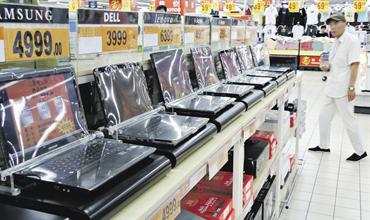
If the less-pricey ultra-thin laptop takes off, it may eat into the revenues and profits for Intel's and Advanced Micro Devices' (AMD) high-end processors, said analysts.
Intel and AMD are betting on laptops an inch thick that multitask and edit multimedia content, but cost only $500 (Dh1,835).
"It's a pretty substantial threat" to pricing, said Roger Kay, analyst, Endpoint Technologies. "Any amount of volume it picks up is going to shift the mix downward."
The world's thinnest laptops, usually the province of executives and the well-heeled, may this year go mainstream thanks to cheaper but still-powerful processors from AMD and Intel.
AMD got the ball rolling by enabling inexpensive thin laptops early this year. But Intel, with 80 per cent of
the processor market, may edge out its foe with its Consumer Ultra Low Voltage chip (CULV), which promises longer battery life, computing power adequate for most, as well as a recession-friendly price. AMD partnered with Hewlett-Packard in January to launch the Pavilion dv2.
Intel launched its rival CULV chip this month and Acer and Asustek Computer were among those that demonstrated laptops based on the new technology at the Computex trade show in Taipei.
Their premise? With more people gravitating towards mobile and wireless technology, consumers want smaller laptops – and most of those people would prefer doing more than surfing the web, which the no-frills netbooks now excel at. Most people would never need the unbridled processing power that advanced, larger processors offer, say analysts.
Uche Orji, UBS analyst, said corporations and gamers would use high-end chips but most consumers would go with Intel's CULV chip.
"This becomes the core of consumer products," said Orji. "Intel's has 30 per cent more battery life. Intel's will get up to eight hours and AMD's up to five hours, so Intel has an edge there."
Uday Marty, Intel's Director of mobile platforms product marketing, said the company expects 20 per cent of its consumer shipments will be for ultra-thins by the end of 2009. The PC industry, still struggling to recover from one of its worst downturns ever, badly needs more growth drivers.
Acer, the first company to introduce a cheap Intel-powered CULV laptop, expects revenue from that segment to account for 15 per cent of its total sales by the year-end.
Asustek, which pioneered the netbook in 2007, plans to launch five consumer-priced ultra-thins this year.
But analysts said a surge in this market may hurt already weak revenues for chip makers in the short run. Intel's Atom – designed for netbooks – siphoned sales from its pricier chips, a trend analysts say the CULV chip may sustain somewhat.
Atom-powered netbooks begin at about $300, but can cost much more for a designer model. The new ultra-thins cost as little as $500, while notebooks are twice that. Analysts said chip margins, however, will stay much the same because costs have shrunk.
Keep up with the latest business news from the region with the daily Emirates Business 24|7 newsletter. To subscribe to the newsletter, please click here.