Currency union 'unlikely' in 2010
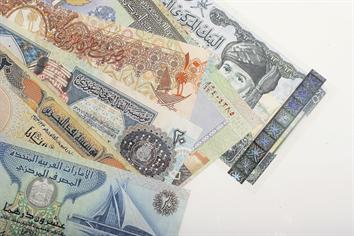
Gulf oil producers planning to launch the world's second monetary union in 2010 are unlikely to meet that deadline due to the withdrawal of the UAE and Oman and countries' failure to achieve fiscal convergence, a Saudi bank said yesterday.
The Gulf Co-operation Council suffered its first serious setback to progress with the monetary union when Oman pulled out in 2007 and the UAE decided to follow suit early this year, the National Commercial Bank (NCB) said in a 20-page economic study sent to Emirates Business.
In other integration plans, the six members succeeded in creating a customs union in 2003 and in launching the long-awaited common market in 2008.
"Despite these efforts, there are many obstacles to the monetary union plans. The most serious setback has been the recent withdrawal of the UAE due to differences regarding the decision to locate the regional central bank in Riyadh. This follows Oman's decision that it will not join the union by the target date and Kuwait's decision to peg its currency to a basket of currencies in mid-2007," said NCB, the largest bank in Saudi Arabia.
"Bottom line: the GCC will unlikely meet the 2010 deadline for a monetary union, but the monetary council will continue its plans in tackling the challenges associated with the new currency and the fiscal convergence criteria."
So far only four GCC members, Saudi Arabia, Kuwait, Bahrain and Qatar have signed the monetary union agreement, which will involve the Middle East's first currency merger and the world's second after the European Union.
NCB noted that even without the UAE and Oman on board, there are other important issues that have not been "put on the table yet".
These include agreement on the name of the new single currency and harmonisation of the monetary policy framework and tools and whether the currency be pegged to the US dollar or a basket of currencies.
The study added that on top of this, there were doubts on whether GCC member states will be able to meet the five convergence criteria, especially after the eruption of the global financial crisis, which has hit their economies and forced most of them to take measures to rescue their financial systems.
It said the criteria agreed on by the GCC countries as a prelude for a full currency union included a budget deficit less than three per cent of the GDP, or five per cent if oil prices are weak and public debt lower than 60 per cent of the GDP.
They also stipulate that inflation rates should not exceed two per cent above the average rate for all members, that interest rates should not be more than two per cent above the average of the lowest three members' rates and that foreign reserves should remain greater than the value of four months of imports.
Keep up with the latest business news from the region with the Emirates Business 24|7 daily newsletter. To subscribe to the newsletter, please click here.