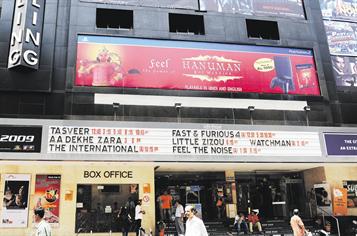
India's Hindi-language film industry is looking to get back on track after the resolution of a damaging row between producers and multiplex cinema owners that halted new releases for two months. More than 100 films are waiting to be released because of the standoff, which was prompted by a call from producers for an even split of box office takings and ended last week with an agreement on more equitable revenue sharing. But with Bollywood films traditionally opening on Fridays – and now not enough first nights left in the year to prevent too many big films releasing on the same day – studios are working on a strategy to maximise revenues. Big name films are normally released in time for the summer vacation in April and May, the Diwali holiday in October and Christmas in December. At other times, rival studios tend to avoid going head-to-head. "Producers are forming a committee and will clear the backlog of films first," said Mukesh Bhatt, Chairman of the United Forum of Bollywood Producers. "There are six producers who will be part of this committee and they will decide which films will release when. It is essential because we don't want to eat into each other's business." The first release slated to hit screens on Friday is Kal Kisne Dekha (Who Has Seen Tomorrow), which has small roles for two of the child stars from the Oscar-winning film Slumdog Millionaire , Rubina Ali and Azharuddin Ismail. Another much-anticipated movie, New York , starring John Abraham, Katrina Kaif, Neil Nitin Mukesh and Irrfan Khan, is due out on June 26. The multiplex boycott is thought to have cost Bollywood $63 million (Dh231m), according to most estimates, although exact figures are difficult to come by as there is no official body monitoring film revenues. The weekly news magazine India Today described the first five months of 2009 at "Bollywood's Worst Season" – with net box office takings down to $51m , compared to $71m in the same period last year. Even before the boycott, India's $2.3 billion film industry was feeling the pinch from the global economic slowdown, reining in budgets and actors' fees as audience numbers dwindled. Keep up with the latest business news from the region with the daily Emirates Business 24|7 newsletter. To subscribe to the newsletter, please click here .