Tenants at risk as landlords skip insurance cover
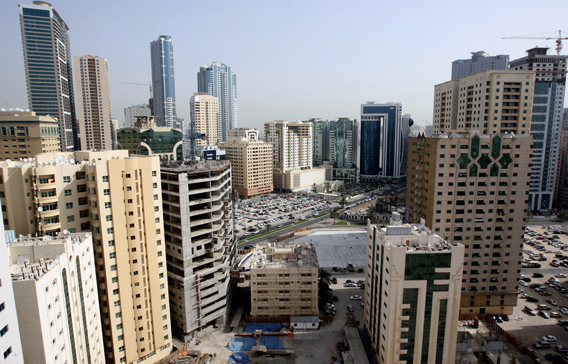
Some of the residential high-rises in the Northern Emirates do not have proper insurance cover against earthquakes, fire or other accidents as the landlords save on premium that is a certain percentage of a building’s value.
Speaking to Emirates 24|7, sources in the insurance sector said many high-rise residential towers in Sharjah, Ajman and other emirates are leased without insurance protection.
Given the Munich Re Globa of Natural Hazards report, which categorises the UAE as a 'very strong' risk of earthquake, this puts at risk millions of dirhams.
The recent fire in Kuwait Tower, a 14-storey building in Sharjah, exposed residents to serious risk and most of them lost their valuables and household items. Some lost everything in their flats.
In Dubai, especially in the free zones, insurance cover is mandatory for leasing buildings and offices as per the new rules.
However, this is not compulsory in the Northern Emirates, where more fire cases are reported during summer.
Therefore, many property owners and real estate companies do not take insurance in Sharjah, Ajman and other Northern Emirates.
“We have several residential buildings in Sharjah and Ajman. We don’t buy insurance because it is a costly affair and the landlords are reluctant to give a certain percentage of a building’s value each year as insurance premium. It costs minimum of Dh15,000 to Dh25,000,” said the manager of a leading real estate firm in Sharjah.
He said residents also do not insist or check whether a building is insured or not and do not take any special cover for their apartments.
The value of a multistoried building runs into several billions and even a premium of less than one per cent of the property’s value can be a big amount.
K Cherian Thomas, Senior Marketing Manager, Al Buhaira National Insurance Company, which handles property insurance, said: “It is unfortunate that the owners are reluctant to insure their buildings. Compared to the huge annual rent that they collect from tenants, the insurance premium is peanuts.
If the value of a building is Dh20 million, the annual premium will be very nominal.”
He said insurance covers fires and related perils, lightning, physical losses, comprehensive insurance for the household and business disruption due to physical damage or fire.
Thomas said there is property insurance and liability insurance in the market that covers third party damages caused by fire or physical damage, but property owners and leasing companies are not interested.
“Household effects such as ornaments, electronic items and other valuables can be insured by either the property owner or the real estate company.
There is no clause in the Sharjah or Ajman lease agreements that the building/home should be insured,” he added.
Another insurance industry source said: “Medical insurance is now compulsory. When you rent a car, insurance is compulsory, but when you take a home on lease, nobody checks whether it is properly insured.
When a contract is awarded, it is mandatory to insure. I think there should be a clause in the tenancy contracts that the buildings are fully covered for fire and accidents.”
One reason for property owners to skip insurance is because real estate value goes up with time and the insurance premium will be higher.
If the insurance premium is based on reinstate value, premium will be calculated on the original construction cost of the building.
Many residents of high-rise buildings who spoke to Emirates 24|7 said they are not aware of the insurance cover for their homes and buildings.