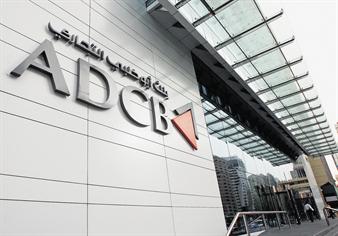
The allocations for bad debts in five Abu Dhabi-based banks, National Bank of Abu Dhabi (NBAD), Abu Dhabi Commercial Bank (ADCB), Abu Dhabi Islamic Bank (ADIB), First Gulf Bank (FGB) and Union National Bank (UNB), have increased in the third quarter of the current fiscal year by 38.9 per cent, compared to the first half. The five banks' total financial allocations in the third quarter were Dh1.69 billion, while the total allocations in the first nine months of the current year stood at Dh6.03bn. The main reason behind the increase of bad debts at the five banks was their exposure to the Saudi Arabian Saad and Al Gosaibi groups, which caused them huge losses, financial experts told Emirates Business . They said Abu Dhabi's banks had not yet reached a phase where it could be said that they were showing any genuine improvement. Instead, they were currently in a phase which could only be termed "satisfactory". However, if they continued to be in the same phase until the end of the current year, and generated profits close to last year's levels, they would weather the global recession and enter into a improvement phase in 2010. All five banks registered better results in the third quarter of the current year compared to the second. Their profits rose by 1.5 per cent from Dh2.45bn in the second quarter to Dh2.47bn in the third. Their combined assets rose by 18 per cent from Dh511.1bn to Dh602.6bn. Clients' deposits went up by 23 per cent from Dh311.4bn to Dh381.8bn. The loans portfolio of the five banks increased by 13 per cent from Dh374.7bn to Dh424bn. FGB earmarked the highest additional allocations among the five banks, as it increased the allocations in the third quarter by 102 per cent to Dh490 million, which was added to the allocations in the first and second quarters valued at Dh220m and Dh260m respectively. At the end of September 2009, the rate of total allocations to deserved loans was 2.1 per cent, compared to 1.8 per cent at the end of June. The rate of bad debts to total loans was 1.4 per cent at the end of the third quarter of 2009 and they are covered through allocations whose percentage is 153 per cent. FGB said it would take on board additional allocations valued at Dh174m to be distributed over the next fiscal until the end of 2010, with the total allocation arriving at Dh1.144bn. ADCB came second as it raised its additional allocations for bad debts by 90 per cent. It allocated Dh810m in the third quarter and its total allocations in the first nine months of the current year reached Dh1.7bn, which accounts for 70 per cent of profits. ADCB said the increase in the rate of bad debts, which accounts for 4.2 per cent of the value of loans portfolio at the bank, is basically attributed to the bank's exposure to the two Saudi Arabian troubled groups. With the exclusion of the exposure to the two groups, bad debts account for 2.6 per cent of the total loans portfolio. UNB increased its allocations for bad debts by 27 per cent in the third quarter. The allocations in the third quarter account for 31.4 per cent of total allocations in the first nine months at Dh145.1m. At ADIB, allocations for bad debts increased by 14 per cent or Dh121.5m in the third quarter, while the total allocations in the first nine months of 2009 were Dh960m. The allocations now cover 2.39 per cent of the total client finance portfolio. NBAD set aside the least additional allocations among the five banks, amounting to only Dh248m, an increase of 12 per cent on the total allocations of Dh2.245bn in the first nine months of the current year. Maha Kanz, a financial consultant at Abu Dhabi-based Al Fajr Securities, said: "The increase of additional allocations for bad debts in Abu Dhabi's banks does not mean the banks are in a crisis. The big allocations set aside by the banks since the beginning of the year are the results of their dangerous exposure to the Saad and Al Gosaibi groups only. "Abu Dhabi banks had resumed lending after they had stopped due to global recession. The Abu Dhabi Government's support enabled the banks to provide the loans. "The banks have entered into a phase of stability. If they report profits close to last year's at the end of this year their conditions will be good and they will enter the next year in an initial state of improvement," she said. Fuad Zeidan, a financial analyst in Abu Dhabi, said: "The performance of Abu Dhabi's banks in the third quarter was good compared to other banks in country. "The impact of the recession was severe on these banks and their exposure to the two Saudi groups only worsened an already difficulty situation. But now, a year after the crisis and months after the announcement of the exposure to the two groups, the banks are in a satisfactory state, with good liquidity and resumed lending." Keep up with the latest business news from the region with the Emirates Business 24|7 daily newsletter. To subscribe to the newsletter, please click here .