Robust demand sees Dubal increase output
Dubai Aluminium Company, (Dubal), increased its output by 12.6 per cent year-on-year in 2007 to 889,548 tonnes, spurred by robust domestic and global demand, a senior executive said yesterday.
Middle East aluminium producers are shrugging off record-high global energy prices as they capitalise on cheap gas-generated electricity and a construction boom to boost world market share. Power bills account for about a third of an aluminium smelter's total costs.
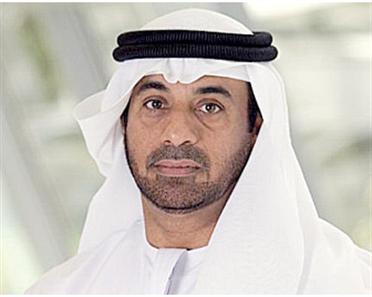
"The most recent expansions of the company's production facilities have contributed to the increased output," said Khalid Buhumaid, Dubal's general manager.
"We have also continued to see strong demand in the first quarter of 2008 and accordingly our output was five per cent higher compared to the same period last year [at 228,378 tonnes]."
Apart from hydrocarbons, aluminium is one of the largest industries in the Opec oil-exporting nation which groups seven emirates including regional trade and tourism centre Dubai.
Competitively priced energy and a construction boom in the world's biggest oil exporting region, where there are more than $1 trillion (Dh3.67trn) of infrastructure projects, are boosting demand. "In 2007 22 per cent of our total sales volume was consumed in the Middle East," Buhumaid said. "This region is currently Dubal's third largest market, after Asia and Europe."
Dubal was also expected to ship 100,000 tonnes of aluminium to Japan this year to meet demand for the material, Buhumaid said.
About 52 per cent of the shipment will be billet, while high purity aluminium will account for about 25 per cent, he said. In 2006, Dubal produced 789,341 tonnes of extrusion billets and foundry alloys, used mainly in construction, transport and electrical industries. Alumina is the main raw material for smelting aluminium.
Dubal is expected to increase its production capacity to more than 950,000 tonnes by the end of this year. Dubal aims to be among the world's top five aluminium producers by 2015. Its plans include the construction of the world's largest aluminium smelter complex, costing $8bn, a joint venture with Mubadala Development Company.
The Emal complex in Abu Dhabi would eventually have an output capacity of 1.5 million tonnes a year.