Arbitrage window on gold duty hike
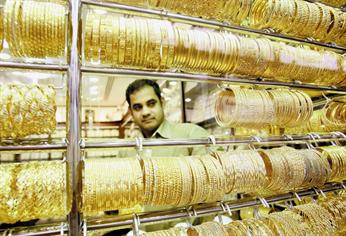
An increase in gold import duties introduced by the Indian Government will expand arbitrage opportunities for traders in Dubai and India, benefiting them in the long run, said traders. The immediate outlook, however, is negative.
"The increase in import duties could spark more arbitrage opportunities between the international markets and India. In my view, major bullion traders in that country, whom I regard as the true 'masters of arbitrage', will turn this disappointing development to their advantage, with Dubai benefiting as usual from its position as the gateway to the Indian Subcontinent and the GCC," Jeffrey Rhodes, Chief Executive of INTL Commodities, told Emirates Business.
Arbitrage implies buying cheap from one market and selling it at a higher price in another. This is peculiar to the unorganised commodities markets in India. Dubai-based traders say high demand and global market forces will conflict in India giving rise to higher gold prices as was the case a few decades ago when import duties were extremely high.
The Mumbai-based National Spot Exchange has just begun trading in bullion and its products are still evolving, which means volumes are low. This ensures that most of the gold traded in the country is priced through an opaque mechanism.
In the short term, the decision will corrode gold trade figures, said Rhodes and other traders. The decision will have a two-way impact of propelling prices and submerging demand.
"The immediate outlook for shipments from Dubai to India is obviously negative over the remainder of the summer," said Rhodes.
Officials at the Dubai Multi Commodities Centre, the government entity that has been promoting gold re-exports from Dubai, declined to comment. "We would limit our role to be facilitators of gold trade," said a DMCC spokesperson.
Dubai is the world's largest re-exporter of gold. Gold trade through Dubai reached $29 billion (Dh106bn) in 2008, up 53 per cent from the previous year. India is the world's largest consumer of gold, importing nearly 800 tonnes a year, or 20 per cent of global demand. But imports fell 57 per cent in the first six months of 2009 compared to a year earlier. India imported just two tonnes in the first quarter.
Traders in Dubai and India questioned the logic behind doubling import taxes at a time when the need is to promote trade. "Volumes have already suffered this year. Why are they doing this?" said a New Delhi-based trader who imports Dubai gold.
Harish Pawani, a Dubai jewellery trader, said though the markets in India will face a shock initially, they will absorb it in the long run. "A duty of Rs100 [Dh7.6] on 10g will mean a duty of Rs10 per gram. It adds up to $6 [Dh22] an ounce, which is not a very significant amount," he said.
Bullion prices have declined since the Indian budget was announced on Monday. "Gold posted a $9 loss on Monday as it fell back on a combination of a firmer dollar, weak oil prices and news from India that import duties on gold and silver have been doubled in the budget," said Rhodes.
Prices declined further yesterday and stood at $923.4 per ounce at the Dubai Gold and Commodities Exchange.
UAE gold refiners said though their counterparts in India will reap benefits by selling their products at par with imported gold, they will not be adversely impacted. "We will continue to sell at prices established by London Bullion Market," said Lalit Singhvi, CEO of London-based metals producer Vedanta, which operates a refinery in Fujairah.
Keep up with the latest business news from the region with the daily Emirates Business 24|7 newsletter. To subscribe to the newsletter, please click here.