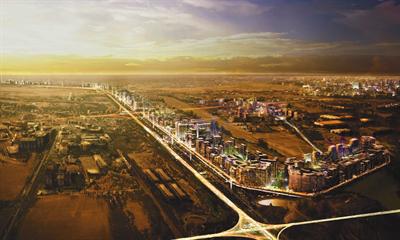
New legislation is needed to guarantee the success of mixed-use developments in South East Asia's real estate markets, said Limitless, the master development arm of Dubai World. Multi-use projects will make up a sizeable chunk of the region's property portfolio over the next few years, but insufficient laws could impede their long-term success and sustainability in countries such as Thailand, Vietnam and Indonesia, according to Philip Atkinson, South East Asia's Regional Director. "For example, in Vietnam the current investment licence system could restrict the development and future sale of multi-use projects," he said in Singapore at Real Estate Investment World Asia 2008 conference. "An improved legal framework should be put in place now to avoid management and maintenance issues in the future and to protect asset values." Atkinson also highlighted the risks of building mixed-use projects without 'future-proofing' – planning for growth and change. Comprehensive plans must be in place at conceptual stage to ensure developments can function effectively and retain their long-term value. "Indonesia and Vietnam are hugely dependent on motorcycles, but car use is on the rise. Efficient road networks, multiple access points and adequate parking facilities must be an integral part of the planning and design of mixed-use projects to prevent major congestion issues in years to come," he said. "Mixed-use developments are as much a destination as they are a place to live or work. But even the most innovative, beautifully designed developments will fail if visitors face traffic queues and parking problems. They will simply take their custom elsewhere." Limitless is rapidly expanding in South East Asia, with three projects under way and more in the pipeline. The company's growing global portfolio includes Malaysia International Halal Park and Puteri Harbour in Malaysia.