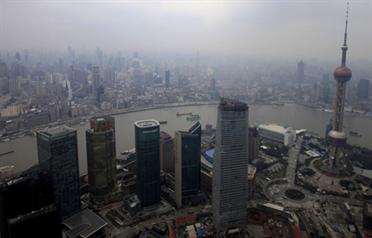
A rebound in China's residential property market is set to continue but economic uncertainty means sentiment will be cautious and prices nationwide will rise a modest 10 per cent between now and end-2010, according to a Reuters poll. Property prices in bigger cities, where wealth levels and spending propensity are higher, will outperform second-tier cities with apartment prices in Shanghai, Shenzhen and Guangzhou set to rise by at least 10 per cent in the next 18 months. The poll coincides with a Reuters global real estate summit. Home sales in first and second-tier cities have jumped more than 20 per cent in the past three months, analysts said, after correcting in the second half of last year. The market has been boosted by interest rate cuts and government measures such as stamp duty cuts and reduced mortgage down payment requirements, which are part of a broader economic stimulus plan. "Policy is aimed at persuading people that property prices are not going to fall," said Paul Cavey, China economist at Macquarie Securities in Hong Kong. "The government is using property market reflation to boost economic growth. So it looks more likely that property prices will rise." Prices for some new developments in Shenzhen and other big cities are up 20-30 per cent after being discounted by as much in the second half of last year after a property bubble burst. However, average property prices in Chinese cities in May were up 0.6 per cent from April, but down 0.6 per cent from a year earlier, according to the National Development and Reform Commission. The market is benefiting from excess liquidity in China but analysts say a repeat of the property bubble in 2007 – which saw some Shanghai apartment prices soar 40-60 per cent through 2007 and early 2008 – is unlikely. At that time, the economy was growing by 13 per cent annually and incomes followed suit. This year, the economy will be hard pressed to meet the government's eight per cent growth target – the World Bank forecasts 7.2 per cent growth – and that will make buyers cautious. A faster-than-expected economic recovery could prompt the government to tighten monetary policy and repeal tax cuts and other incentives, while a slower economy would depress market confidence, said analysts. "Our immediate concern is that, if prices go up too sharply before the economy recovers we could see a policy reversal and that could slow things down," said Nicole Wong, property analyst at CLSA. "The government wants steady [property] price gains. It doesn't want speculation." The property market has benefited from a surge in credit this year, as the government encouraged banks to lend and spur economic activity. However, Banco Bilbao Vizcaya Argentaria said prices nationwide are overvalued by five to 10 per cent. It forecasts nationwide property prices could dip by up to five per cent between now and the end-2010. Keep up with the latest business news from the region with the daily Emirates Business 24|7 newsletter. To subscribe to the newsletter, please click here .