Rents to go up 25% in Abu Dhabi
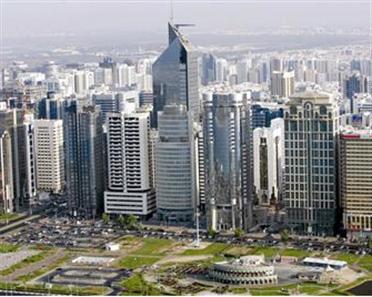
The Abu Dhabi real estate market is to experience immense growth over the next two years, spurred on by the recent wave of investments and developments set to redefine Abu Dhabi's image and appeal, an EFG-Hermes report announced yesterday.
According to research from the investment bank, this growth will be accompanied by a 20-25 per cent increase in residential rents by the end of 2008 and by a further 15-20 per cent increase in 2009. The market outlook for residential, commercial, retail and leisure segments uniformly indicates phenomenal growth. The retail segment is largely underserved and the three factors that will contribute to robust growth are – rising wealth in the emirate, growing demand and strong macro-economic fundamentals.
Iconic projects such as Saadiyat, Yas Island's Formula 1 Grand Prix track, Raha Beach and Reem Island are poised to attract a new wave of tourism and will help generate greater interest in real estate across Abu Dhabi.
This growth can be attributed to increased economic liberalisation and the creation of investment hubs, strong government presence and backing and the establishment of Plan 2030, which has seen Abu Dhabi adopt a well-structured urban planning approach. These factors – combined with the structural shortage of good quality space across the various types of real estate, pent-up demand, strong immigration growth prospects in the emirate and caps on the amount of real estate that can be built in a year – help to mitigate the risk of an oversupply of property and curtail speculative building activity.
"Given the current supply and demand dynamics, where supply is not expected to catch up with demand over the next 18-24 months at least, prices and rents will continue to rise in all the real estate segments over the short to medium term," said Sana Kapadia, research analyst, EFG-Hermes.
"Abu Dhabi's unique positioning is a crucial success factor," Kapadia said.
However, there are certain downside risks such as finite contractor capacity, labour shortages and rising building material prices, which could challenge the sustainability of this buoyant market. A currency revaluation could increase property prices and reduce foreign buying. Also, housing could become less affordable, given a recent upward price spiral that is expected to continue until 2009 at least, the report said.