Qatar economy likely to grow 7-9% in 2009
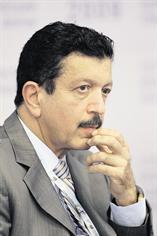
Qatar's economy is expected to grow in real terms by seven to nine per cent in 2009, depending on the price of oil, the country's economy and finance minister said in an interview.
Youssef Kamal, the Economy and Finance Minister, told CNN that the country still aimed to implement its 2020 plan, which looks to transform the economy to zero dependence on hydrocarbons, though there could be a delay.
"I think we can still reach that goal, maybe two years later because of the crisis," said the official.
Due to investments in Qatar's oil and gas sector over the past 10 years, the country has accumulated more "real investment" inside than outside Qatar, Kamal added.
Qatar is the world's top exporter of liquefied natural gas (LNG).
On this year's economic growth, the minister said despite the ongoing slowdown "the expectations are between seven and nine [per cent] in real terms".
"It depends on the price of oil. If we take the price of oil today, we will still have some growth," Kamal said, adding that he perceived healthy sustainable economic growth at six to seven per cent.
He said Qatar's aim was to become a financial, educational and health hub for the region.
Qatar still plans to be part of a Gulf Arab monetary union plan that was thrown into disarray in May when the UAE, the second-largest Arab economy, broke ranks saying it would not take part in the plan.
"I think it's good to have three or four to start, and we hope the others will join us," said Kamal.
Saudi Arabia, Kuwait, Qatar and Bahrain are still aiming to set up the single currency. Oman has already said it would not take part in the union.
Keep up with the latest business news from the region with the Emirates Business 24|7 daily newsletter. To subscribe to the newsletter, please click here.