World to witness blasting of NKorean cooling tower
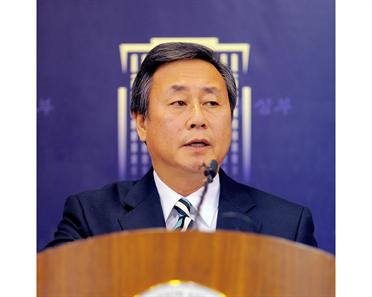
The invited organisations -- one each from North Korea's five negotiating partners at six-party disarmament talks -- include US news channel CNN, Seoul's top nuclear envoy Kim Sook said.
The United Sates, South Korea, China, Japan and Russia have been in talks with North Korea to dismantle Pyongyang's nuclear weapons programme.
"Five news organisations - one each from the five nations - have been invited to cover the North's blasting of the cooling tower," Kim said.
"CNN of the United States has been invited, and our country also has one broadcaster invited. North Korea has contacted us via the channel of six-party talks, and we've informed the broadcaster of it."
But Kim disclosed no further details, including the names of the other invited media outlets and a proposed date for the event.
South Korea's Yonhap news agency, quoting diplomatic sources, has said Pyongyang will submit a declaration on its nuclear activities around June 26 as part of an aid-for-disarmament deal.
In a symbolic gesture the North would then blow up the cooling tower at its main Yongbyon nuclear complex, possibly on June 27 or 28. But it was demanding cash in return, according to Yonhap.
Kim said North Korea would submit the long-awaited declaration of its nuclear activities "sooner or later" to six-party talks host China, which will then immediately organise a new round of negotiations.
He added that once North Korea submitted its declaration, the United States would start the process of dropping the reclusive state from a terrorism blacklist.
The South Korean envoy said he would fly to China later Sunday for talks with his US and Chinese counterparts to discuss schedules for talks and other follow-up measures to take after the North's declaration.
North Korea, which staged a nuclear test in October 2006, is now disabling its plutonium-producing reactor and other plants under a 2007 six-party deal.
But disputes over the promised declaration of its nuclear activities that was due by the end of last year have blocked the start of the final phase of the process - the permanent dismantling of the plants and the handover of all material.
In return for abandoning the atomic programmes, the North would receive energy aid, a lifting of US sanctions, the establishment of diplomatic ties with Washington and Tokyo, and a formal peace treaty.