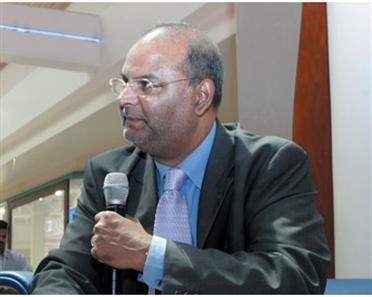
An increased emphasis on long-term incentives and "protection" benefits in salaries are enticing expatriates to stay longer in the UAE and build a career here. A recent survey on the salary packages of multinational companies in the Middle East has revealed the traditional focus of high basic salaries and cash allowances is shifting towards a basket of non-cash allowances. Pensions and medical, life and disability insurance, and lifestyle benefits such as company cars and leave entitlements are increasingly important, while allowances for housing, transport and education remain popular. The changes in benefit practices are being driven by the continuing increase in multinational firms based in the region, expansion of the expatriate workforce, and greater mobility of expatriates between jobs. Ajai Kumar Dayal, general manager, retail and marketing, Easa Saleh Al Gurg Group (ESAG), said: "Increasingly, expatriates are making a long-term commitment to living in the UAE due to new employment incentives and also a greater understanding that the UAE is a safe place to raise a family." ESAG is the distributor in the UAE for products such as Better Life, United Colors of Benetton, ID Design, and Leigh's Paints. "In the past, it was common for people to come to the UAE with a two or three year plan, but now people are deciding to stay," said the general manager. Many employers are motivated to focus on benefit provision not only to respond to competitive pressures but also because of erosion in the value of cash-based remunerations paid in local currencies which are pegged to the weakening US dollar. In the UAE, 86 per cent of multinationals in the survey provide housing allowances, while 90 per cent provide support with schooling.