Oil moves towards $65 as shares rise
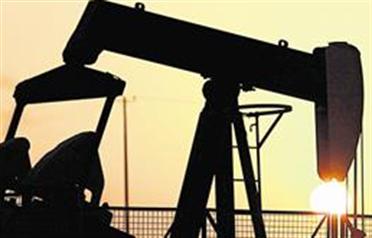
Oil rose towards $65 a barrel yesterday, supported as world equities hit a 2009 high, but sapped by forecasts the next figures on US supply and demand would show stocks of refined products have risen again.
By 1201 GMT, US crude futures were trading 73 cents higher at $64.71 and Brent crude was up 72 cents at $67.16. Yesterday's gains followed a 69 cent rise in the previous session.
The front-month August US contract expires at close of trade yesterday and will be replaced by the September contract, which rose 60 cents to $65.89 a barrel.
Expectations the world economy was recovering helped to drive oil to a peak above $73 a barrel at end-June. Nervousness confidence was overdone, pushed prices back below $60 last week. Analysts were divided over whether any gains, inspired by what they describe as exogenous or external factors, can be sustained in a fundamentally oversupplied market.
"The current bullish backdrop is reminiscent of what we saw during the first half of June when most markets were pushing higher on the back of the weaker dollar, rising equities, and expectations that the recovery was picking up steam," said MF Global analyst Edward Meir.
"This time around, better-than-expected corporate earnings [as opposed to hopes for a strong macro rebound] seems to be dominating sentiment in equities. However, apart from that, the two periods feel very much alike, which is why we remain wary," he said.
In the near term, demand has stayed weak even though the US driving season, traditionally a time of peak demand, is close to its busiest period as Americans hit the road for summer vacations.
Analysts have predicted a drop in overall fuel stocks, but a rise in stocks of refined products, including gasoline and diesel.
Inventories in industrialised countries equated to 62.5 days of forward cover at the end of May, according to the latest figures from the International Energy Agency – that is about 10 days more than the Organisation of the Petroleum Exporting Countries (Opec) considers comfortable.
Algerian Energy and Mines Minister Chakib Khelil predicted prices would stay in a $65-$70 range this year as long as the market remained oversupplied and said Opec could cut output when it next meets in September.
Many analysts predict Asia will lead any demand recovery. A slower rate of decline in domestic fuel sales has implied demand in China, the world's second biggest oil user after the United States, was strengthening.
Demand in the US is expected to stagnate.
Keep up with the latest business news from the region with the daily Emirates Business 24|7 newsletter. To subscribe to the newsletter, please click here.