Oil sinks below $48 as US supply swells
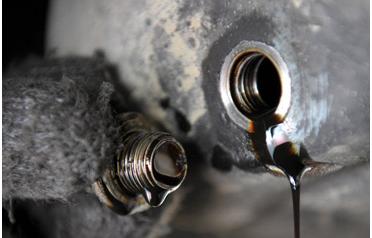
Crude oil storage in the world's biggest energy consumer the United States rose by 6.9 million barrels last week, the American Petroleum Institute (API) said late on Tuesday, far above analyst forecasts of a 2.1-million-barrel build.
Third-biggest energy consumer Japan's crude inventories also rose, touching their highest level in over a month as the country's worst recession since World War Two eats into demand for oil products. US light crude for May delivery fell $1.22 a barrel to $47.93 by 0900 GMT.
London Brent crude fell 94 cents to $50.28.
"All told, total crude inventories in the US as of Friday,
March 27th ballooned to a record 1.07 billion barrels. That equates to approximately 118 days of import cover," oil analysts at the Schork Group wrote in the Schork Report.
"You still can't swing a cat without hitting a barrel of crude oil in the United States," Schork Group analysts wrote.
The Energy Information Administration – whose data is generally seen as more comprehensive – will release its weekly report at 1430 GMT on Wednesday, and the market will watch for more signs of rising stocks.
A Reuters poll forecast an average build of 1.9 million barrels for crude stocks, already at their highest since July 1993.
CORPORATE LOSSES
Britain's top share index fell 0.6 per cent early on Wednesday, led lower by banks and commodity stocks on concerns over corporate earnings.
Heavyweight oil producers BP, Royal Dutch Shell, BG Group and Cairn Energy were down 0.4 to 1.1 per cent.
Aluminium producer Alcoa Inc, the first company to report its quarterly results after Wall Street closed, showed a second consecutive quarterly loss as metal prices and the autos industry slumped.
Adding further pressure on oil, the US dollar rose as investors see the greenback as a safer haven at times of market stress, making US dollar-denominated commodities more expensive for overseas investors.
Opec, which has agreed cuts amounting to 4.2 million barrel per day (bpd) since September, is resigning itself to lower prices this year.
Opec can live with oil prices of $50-$60 for the rest of 2009, a source close its Angolan presidency said on Tuesday, as many members have lowered their price expectations with the focus on rebuilding a damaged global economy.
Keep up with the latest business news from the region with the Emirates Business 24|7 daily newsletter. To subscribe to the newsletter, please click here.