Tail of recession could hurt more than bite
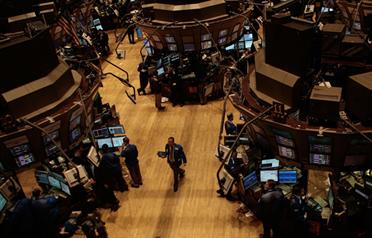
Recent data flowing out of global markets suggests that, after months of negative news, the world might have finally hit the trough of this downturn and is now heading towards a recovery.
MR Raghu, Senior Vice-President-Research, Kuwait Financial Centre (Markaz), said strong momentum continues in global markets.
The MSCI World indices posted second consecutive double-digit month-on-month gain in May.
There has been a reduction in risk levels in the markets and Ted spread is back to levels seen before Lehman Bros' collapse. (Ted spread is the difference between the interest rates on interbank loans and short-term US Government debt [T-bills]. The Ted spread is an indicator of perceived credit risk in the general economy.)
Commodities too witnessed a strong recovery, with crude oil prices increasing by 30 per cent in May, marking a YTD gain of 74 per cent. As of December 2008, only two markets in MSCI World traded above 15x. The number has shot up to 17 countries, which represent a market capitalisation of 63 per cent of the world index as compared to 3.6 per cent at the end of 2008.
Majority of the returns were in April and May, a report by Markaz suggests.
Undoubtedly, there has been an increase in positive sentiment in the overall market but it could be a long and painful wait before we see the economy bounce back.
The tail can be more painful for economies, corporations and individuals than the initial shock and collapse that we witnessed last year and could drag longer than many anticipated, experts say.
Miguel Lobo, Assistant Professor, Decision Sciences, Insead, said: "The question assumes that the tail of the recession is coming, but it's highly uncertain that there will be a quick recovery. Given the magnitude of the structural imbalances and the amount of deleveraging still to be done, there's a chance we'll see a period where the whole world 'goes Japanese' – the cliff-diving is halted but we get several years of sluggish growth, if any growth at all."
Alaa El Din Rady, co-founder and Managing Director, Enmaa Financial Services, Egypt, said: "The recovery will take time, and will entail a dramatic change in legislations, industry mechanics, whether some sectors are attractive or not, foreign direct investments flows, new markets emerging as more attractive than others (for example, Eastern Europe suddenly fell out of favour for investments after the crisis, same with more underdeveloped European countries such as Greece, Ireland). Another change is in sectors of interest. Before the crisis, everyone was saying building materials will support the real estate growth worldwide; now it is out of favour for investors," he said.
Rady said: "Everyone now talks about defensive industries that usually survive a crisis, generally speaking, such as education, healthcare and food.
"People will have to continue to eat and get healthcare, while they can cut on buying a house. So now it is not about the crisis, it is about how the changes that will follow will define norms and mechanics."
Keep up with the latest business news from the region with the daily Emirates Business 24|7 newsletter. To subscribe to the newsletter, please click here.