Hormuz shipping traffic dwindles after Middle East attacks intensify
Shipping traffic through the Strait of Hormuz drops sharply as Middle East attacks intensify, with fewer vessel transits and rising risks to global oil and LNG supply
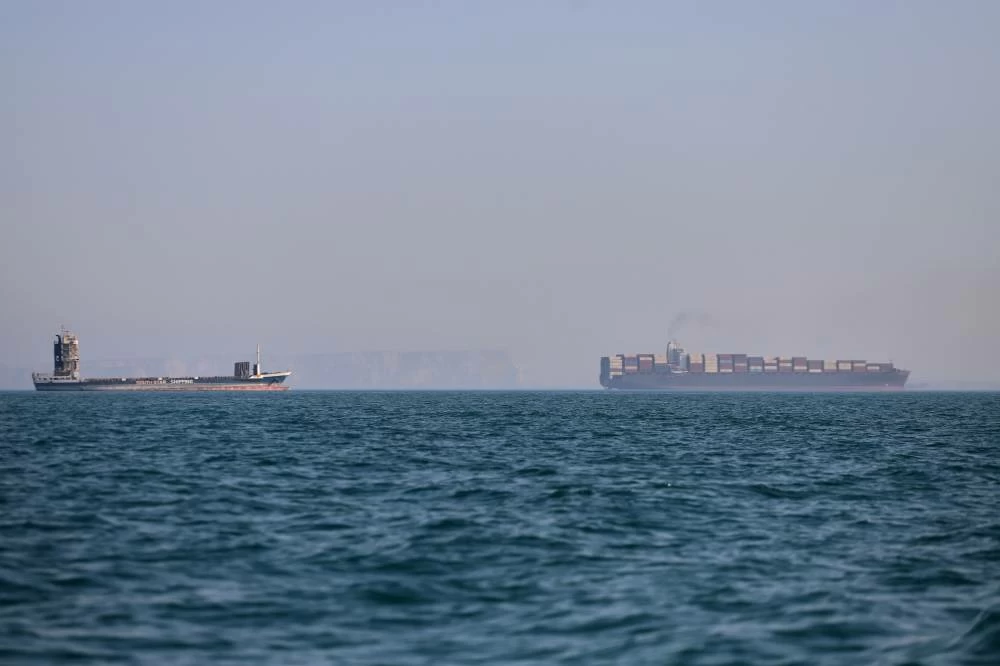
SINGAPORE: Shipping traffic at the Strait of Hormuz dwindled further at the start of this week after attacks intensified in the Middle East, shipping data showed.
Commodity vessel transits at Hormuz totalled four on Monday, down from 10 during the previous day, preliminary data from Kpler showed on Tuesday.
Two dry bulk carriers exited the waterway, including one laden and one ballast vessel, while two oil tankers entered the strait, both in ballast mode.
The figures exclude some vessels that might have crossed the strait with their Automatic Identification System transponders turned off to avoid detection.
Iranian news agency Fars reported on Monday, citing Iran's Islamic Revolutionary Guard Corps, that an oil tanker exploded and caught fire after colliding with mines in the Strait of Hormuz, without saying when the incident occurred.
In the Bab el-Mandeb strait, 21 commodity vessels transited on Monday, Kpler data showed, down from 28 during the previous day.
Before the US war on Iran started on February 28, the Strait of Hormuz typically handled about 125 large, commercial vessels per day, including tankers, gas carriers, bulkers and container vessels, accounting for some 20% of the world's daily crude oil and liquefied natural gas supply.