Al Zeyoudi: UAE non-oil trade reaches AED1.94 trillion in first half of 2026

Minister says the UAE will continue expanding trade partnerships, investing in future industries and strengthening its position as a global hub for trade, investment and technology

By Muwaffaq Muhammad Published: 2026-09-08T13:47:00+04:00 3 min read
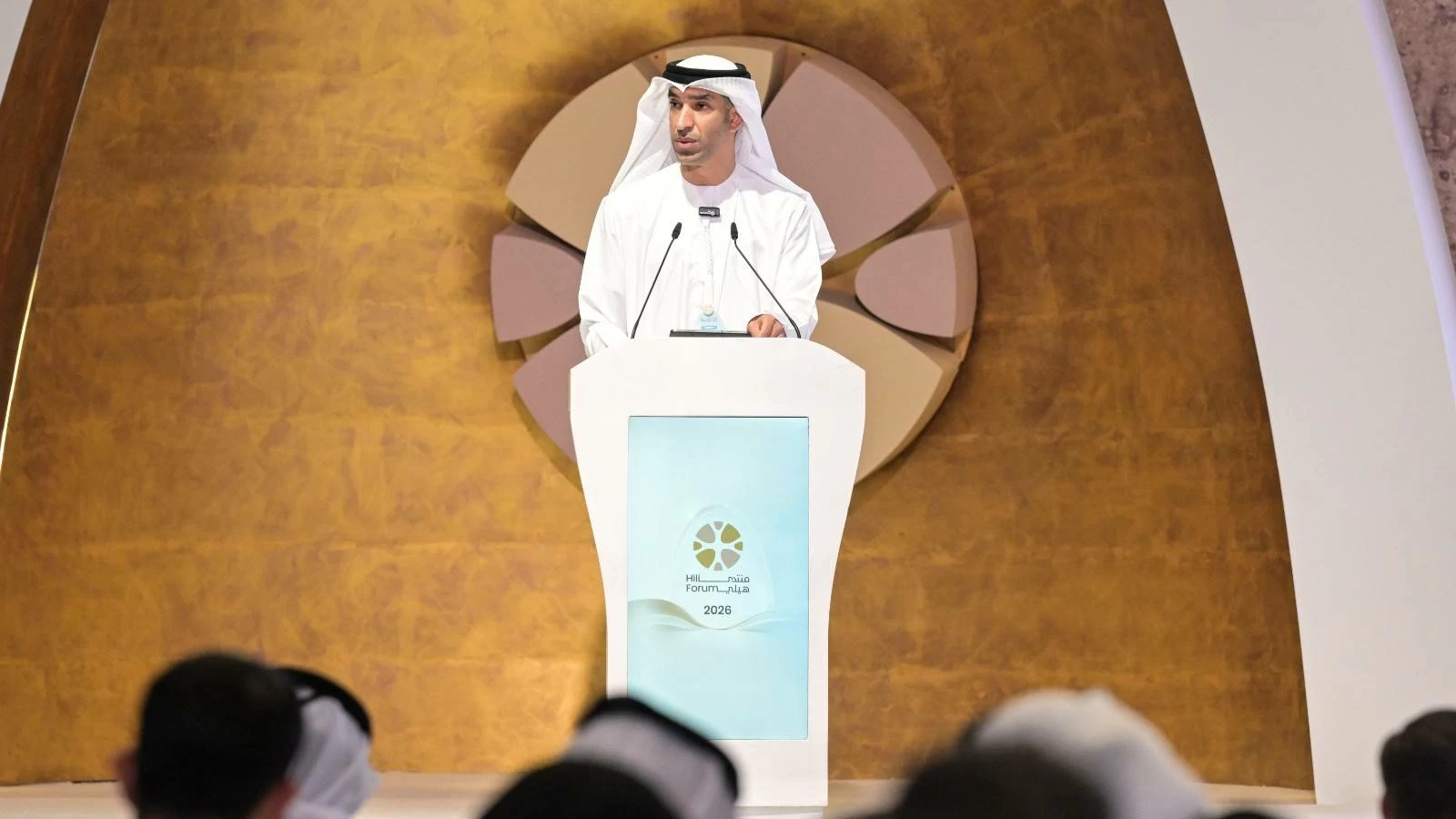
Speaking during the keynote session opening the second day of the third edition of the Hili Forum in Abu Dhabi, His Excellency Dr Thani bin Ahmed Al Zeyoudi, Minister of Foreign Trade said the UAE's trade performance during the first half of 2026 demonstrates the success of its economic strategy.  Picture: Erik Arazas
Speaking during the keynote session opening the second day of the third edition of the Hili Forum in Abu Dhabi, His Excellency Dr Thani bin Ahmed Al Zeyoudi, Minister of Foreign Trade said the UAE's trade performance during the first half of 2026 demonstrates the success of its economic strategy. Picture: Erik Arazas

Abu Dhabi: His Excellency Dr Thani bin Ahmed Al Zeyoudi, Minister of Foreign Trade, said the UAE's vision to strengthen its global standing in development and economic prosperity remains unchanged, stressing that the country continues to build new trade and investment partnerships, invest in future technologies and industries, accelerate the transition to renewable energy, and reinforce its position as a regional and global hub for trade and the economy.

Speaking during the keynote session opening the second day of the third edition of the Hili Forum in Abu Dhabi, Al Zeyoudi said the UAE's trade performance during the first half of 2026 demonstrates the success of its economic strategy.

He revealed that the UAE's non-oil foreign trade reached a record AED1.94 trillion during the first half of 2026, representing annual growth of 13.1 per cent and an increase of nearly 80 per cent compared with the same period in 2022.

Al Zeyoudi added that non-oil exports also reached their highest level ever at AED453 billion, describing the results as evidence of the competitiveness of UAE products, the strength of trade routes and the diversity of services.

He said the UAE had successfully overcome the challenges created by recent regional developments, adding that the country had transformed crises into structural advantages and would continue to seize international trade opportunities.

Freedom of navigation

Al Zeyoudi stressed that no country should decide who can access the Strait of Hormuz and who cannot.

"International waterways must remain free from any form of restrictions or arbitrary fees," he said.

He added that freedom of navigation and trade through international waterways is a "red line" for the UAE and should be a priority for all Gulf countries.

Geopolitical challenges

Al Zeyoudi said the Hili Forum has become one of the most important platforms for discussing geopolitical developments affecting the Gulf region and the wider world.

He noted that discussions on the first day covered the Strait of Hormuz, changing Gulf economic relations and the role of energy infrastructure in supporting economic resilience.

Trade corridors and infrastructure

The minister said the UAE will continue developing its network of trade and investment partners, investing in future technologies and industries, supporting energy transformation, and facilitating the movement of global capital through its markets.

He explained that since the closure of the Strait of Hormuz, the UAE has worked to preserve vital trade routes by activating regional logistics corridors linking the country to the Gulf of Oman.

The UAE also coordinated with Oman to handle incoming shipments through alternative maritime, land, rail and logistics networks.

Al Zeyoudi highlighted the accelerated development of ports on the UAE's east coast, including Fujairah and Khor Fakkan, as well as the launch of new pipelines connecting the country's energy resources to global markets.

"These measures are not short-term solutions, but permanent transformations in our positioning," he said, adding that no country would be allowed to threaten the UAE's economic strategies or role in global trade.

38 economic partnership agreements

Al Zeyoudi described the Comprehensive Economic Partnership Agreement (CEPA) programme as a cornerstone of the UAE's trade strategy.

He said the UAE has concluded 38 agreements with key partners across six continents, opening up new opportunities for Emirati exporters and strengthening the country's role within the global trading system.

The minister stressed the importance of continuing efforts to modernise supply chains, promote free and fair trade and develop new trade-related technologies and policies.

"The UAE will continue to work on developing new trade technology solutions and trade-supportive policies," he said.