Trump posts 'Bye bye Kharg' as US targets Iranian oil tankers and pressure on Tehran intensifies

The US Central Command struck three Iranian tankers over the weekend as Iran threatens a new restricted zone, and shipping through the Strait of Hormuz hits its lowest level since May

By Emirates247 Published: 2026-09-08T05:27:00+04:00 4 min read
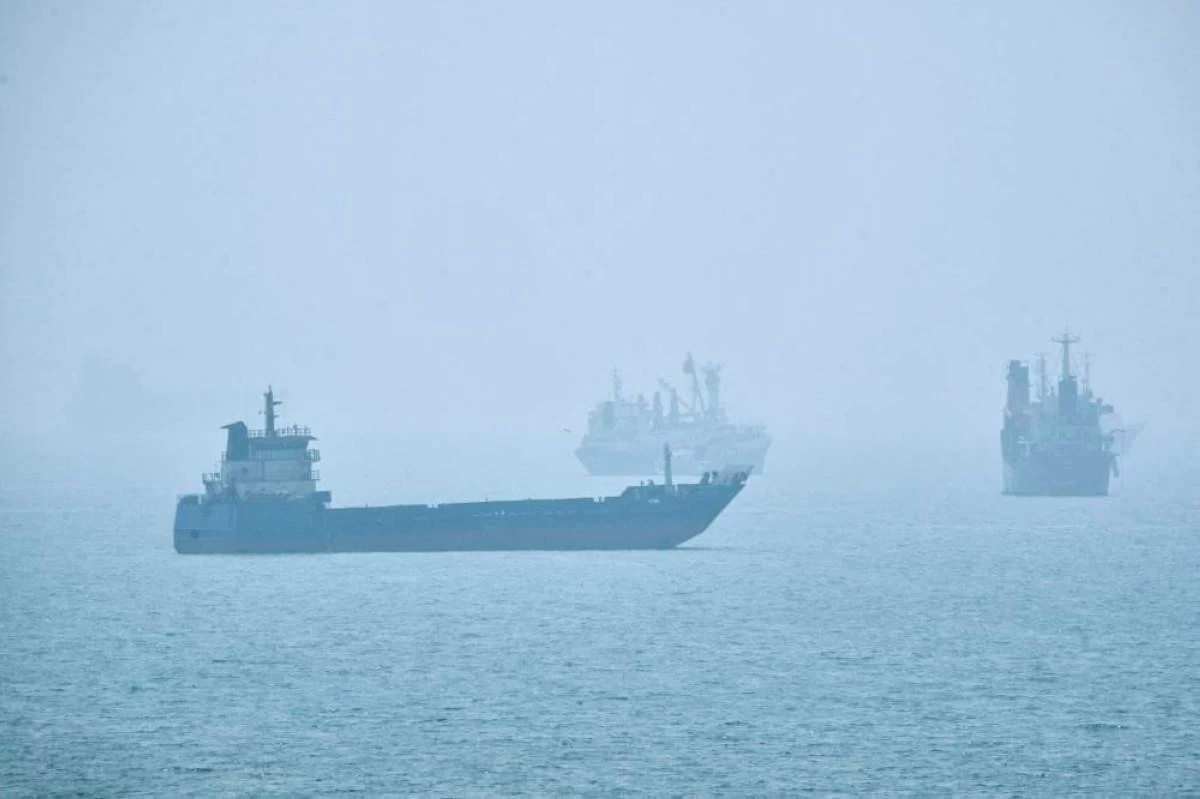
Shipping data released yesterday showed that the average movement of commodity vessels through the Strait over the past ten days has fallen to about ten vessels per day. File photograph.

US President Donald Trump raised the pressure on Iran by posting a picture on his social media platform Truth Social, showing an American fighter jet targeting Kharg Island, the main artery for Iranian oil exports, along with the phrase “Bye bye Kharg,” in a new escalation message that comes in the wake of a round of US strikes targeting Iranian tankers over the weekend.

Trump's post came after the US Central Command announced that its forces had targeted three Iranian oil tankers on Saturday, including one off Kharg Island, following attacks by the Iranian Revolutionary Guard on US warships in the region.

Kharg Island is of great strategic importance as the main hub for Iranian oil exports, so any large-scale targeting of it would deal a direct blow to Tehran’s ability to export crude and secure one of its most important sources of foreign currency.

Navigation extortion

As military and economic pressures intensify, Tehran is once again trying to export its crisis to the region by blackmailing shipping and expanding piracy practices in the region and the Strait of Hormuz, by threatening to target energy facilities, imposing a new restricted zone, and tightening restrictions on the movement of ships in one of the most important maritime corridors for global energy trade.

Iranian Parliament Speaker Mohammad Baqer Ghalibaf said yesterday that the region's oil and gas production chain is "extensive, exposed, and easily accessible," adding: “Bomb our assets and you will be bombed.” Concurrently with this escalation, Iranian Supreme National Security Council Secretary Mohsen Rezaei stated that Tehran would announce a new “restricted zone” in the Gulf in the coming days, along with maps of a new shipping lane through the Strait of Hormuz.

Shipping data released yesterday showed that the average movement of commodity vessels through the Strait over the past ten days has fallen to about ten vessels per day.

This is the lowest level since May. The increased pressure comes at a time when Iran's internal crisis is worsening, with the currency collapsing, inflation soaring, fuel shortages, and declining purchasing power.

The government is preparing to double the price of gasoline for consumption exceeding subsidised quotas starting Tuesday, as the price per litre will rise to 100,000 riyals (Dh97,729) after the monthly quota of 110 litres is exhausted, while keeping the prices of the subsidised segments unchanged.

The dollar exceeded 2.2 million riyals, while the average inflation rate over 12 months reached 69.9%, official unemployment rose to 9.1%, and the number of workers declined by about 450,000 compared to the previous year.

Iranian economic estimates indicate that about 74.5% of the minimum wage now goes towards food, while the prices of basic commodities have seen sharp increases, at a time when the country is facing a daily gasoline deficit estimated at about 14 to 15 million litres.

Iranian authorities have increasingly begun talking about managing a “war economy,” with Ghalibaf saying that the battle, in addition to the military front, has become linked to production, the livelihood of citizens, currency fluctuations, inflation, and unemployment.

In a clear contradiction, Tehran announced that talks with the Sultanate of Oman regarding the establishment of a temporary and safe passage for commercial vessels through the Strait of Hormuz had entered their final stages.

Iranian Foreign Ministry spokesman Esmail Baghaei said the talks had made "very good progress" and that the anticipated agreement aimed to regulate a temporary route for commercial vessels.

Tehran and Muscat had discussed the geographical, technical, legal and security aspects of the proposed corridor, while the announcement of progress in the talks reduced some of the gains in oil prices.

As part of international pressure, Canada on Sunday called on Iran to immediately cease what it described as its destabilising activities in the Middle East, including threatening ships attempting to cross the Strait of Hormuz.

The Canadian government affirmed its support for the American, French, and British efforts to reopen the Strait, along with continuing sanctions and measures targeting Tehran's ability to finance its activities.

Meanwhile, UN High Commissioner for Human Rights Volker Türk expressed concern yesterday about the resumption of attacks between the United States and Iran and their repercussions in the Gulf region, calling on both sides to return to negotiations immediately. Türk warned of the humanitarian, economic, and geopolitical consequences of continued escalation, expressing particular concern about reports of civilian casualties.