US pressure mounts on Iran as flights disrupted and Hormuz tensions persist
New aviation restrictions, fresh Canadian sanctions and indirect US-Iran talks in New York add to pressure amid continued disruption in the Strait of Hormuz
Dubai: Economic and diplomatic pressure on Iran intensified yesterday as the United States moved to tighten restrictions on the country's aviation sector, while indirect contacts between Washington and Tehran, mediated by Qatar, opened a fresh diplomatic channel on the sidelines of the United Nations General Assembly in New York.
The latest US measures came after Treasury Secretary Scott Bessent warned that entities supplying fuel to Iranian airlines, providing airport services, or selling tickets for sanctioned carriers risked being cut off from the US dollar system.
The move follows sweeping US sanctions announced on September 8 targeting 27 Iranian airlines, as well as companies and intermediaries linked to the aviation sector.
Air travel disruptions
The impact of the restrictions has begun to affect air traffic operations.
Iranian authorities said airports in Baghdad and Muscat were no longer receiving Iranian flights, while Azerbaijan suspended flights operated by Iranian airlines. Georgia had already banned flights to and from Iran.
Sources in Iran's travel sector reported that flights to Qatar, Azerbaijan and Georgia had been suspended, although some international routes remain operational.
Canada imposes new sanctions
In a parallel move, Canada announced sanctions against five Iranian government and security officials and five state-linked entities, accusing them of contributing to the suppression of dissent and restrictions on fundamental freedoms.
Amid growing pressure, channels of communication between Tehran and Washington were activated during the UN General Assembly meetings in New York.
Iran's Foreign Ministry said contacts with the United States took place through a Qatari mediator, while US envoy Steve Witkoff said mediators had shuttled between the two sides throughout the day and completed an extensive round of discussions.
US Secretary of State Marco Rubio said reaching an agreement with Iran would be a lengthy and difficult process, describing current discussions as primarily an exchange of ideas and messages.
Rubio said the final decisions in Iran were made by individuals deeply committed to the country's revolutionary system, making negotiations challenging.
He added that President Donald Trump retained military options and stressed that Iran would not be allowed to acquire nuclear weapons.
"We will continue to defend the straits and ensure they remain open," Rubio said.
According to Reuters, an Iranian official said Tehran was studying the US response to its proposal for ending hostilities, adding that Iran's priorities include a permanent end to hostilities and the lifting of the US naval blockade.
The official said significant differences remained between the two sides but diplomacy was continuing, with discussions including the reopening of the Strait of Hormuz and the lifting of restrictions on maritime activity.
Hormuz remains a key pressure point
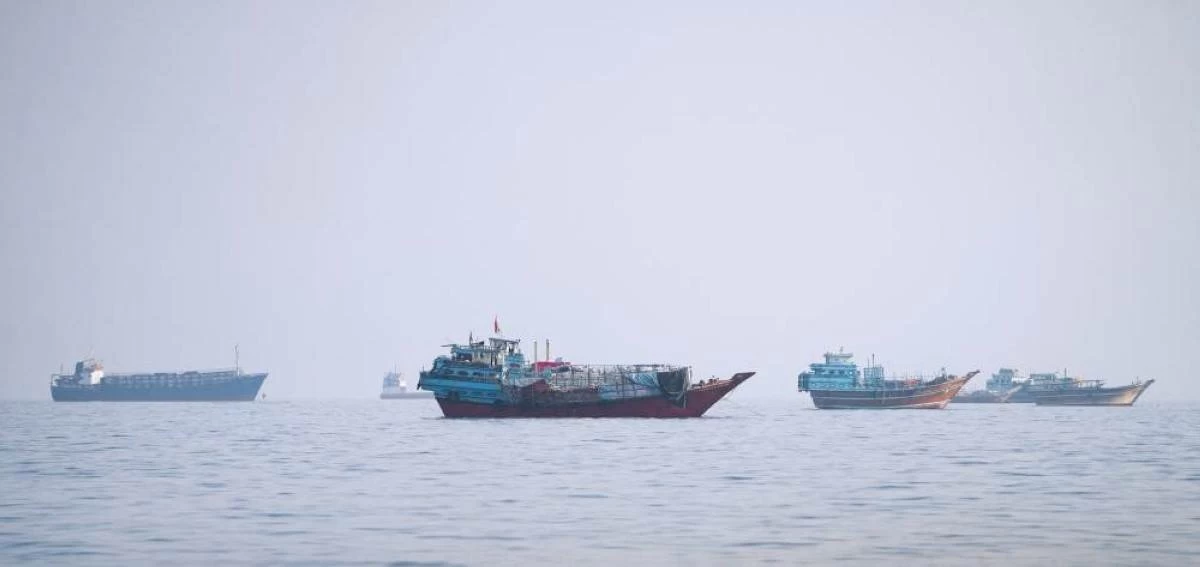
The Strait of Hormuz continues to be one of the most sensitive flashpoints in the crisis.
Preliminary shipping data showed that only three vessels carrying raw materials crossed the strait on Tuesday, compared with a 10-day moving average of around 15 vessels, highlighting the continuing disruption to maritime traffic.
The UK Maritime Trade Operations (UKMTO) centre also reported that two people were injured and a ship's crew evacuated after a vessel was struck by an unidentified projectile in the strait.
Energy market concerns
French President Emmanuel Macron said France was prepared to participate in an international operation of a "purely defensive" nature aimed at protecting maritime navigation.
Macron stressed the importance of reopening the Strait of Hormuz and said achieving an agreement was necessary to ease pressure on global oil, gas and aviation fuel markets, which continue to face uncertainty amid disruptions to one of the world's most important energy transit routes.