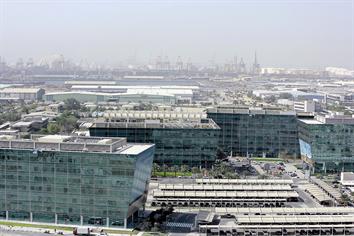
Jebel Ali Free Zone (Jafz), which is part of the Economic Zones World (EZW) is hoping to achieve positive growth in new business and revenues this year, according to a senior executive. The company said it had not experienced any slowdown in the number of new companies joining the free zone and that no business closures have been directly attributed to the global financial crisis. Jafz believes that its unique business model, tax-free environment and new business incentives have remained a lure to a number of local and international companies. "The impact of the global financial crisis has been minimal because most of the companies in Jafz are small and medium-sized business, with a small exposure to the crisis," Salma Ali Saif bin Hareb, CEO of Economic Zones World told Emirates Business on the sidelines of the International Network for SMEs Annual Meeting in Dubai. "Business is still normal at Jafz and we do not anticipate any slowdown in numbers of new entrants into the zone. We are very positive about growth this year." Hareb said that despite speculation about Dubai's economic performance, Jafz's revenues in the first quarter of 2009 grew 18 per cent more compared to the same quarter last year. She noted that the hardships in obtaining finance experienced in the last quarter of 2008 had forced some companies to request for delays in constructing their facilities on land leased to them by Jafz on an annual basis. Hareb said the months of December and January had particularly caused panic among businesses and that some potential tenants put their applications on hold due to uncertainty about the availability of financing from banks. "However, things took a different direction in February and March. Our positive performance in this difficult quarter gives us a level of confidence that the rest of the year will be much to our favour," said Hareb. Hareb noted that unlike the real estate market, which has been adversely affected by the global economic crisis, Jafz attracts investors who require facilities in order to run their businesses. She said the demand for warehouses and office facilities in the free zone has not been affected. Besides the usual incentives related to helping companies set up their businesses in Jafz, the company has introduced a set of new initiatives geared towards attracting more tenants and easing their financial burden. Hareb said companies also continue to find Jafz's business model appealing for their businesses given its one-stop shop solution. Currently, Jafz accommodates almost 7000 companies, a majority of which are small and medium sized enterprises, which have not been so much affected by the tightening of credit. "Unlike huge corporations that have to survive on huge debts, a majority of our clients are easy to finance because they are small in nature. Some of them are family-owned and run on private equity. This has also limited our exposure to the financial crisis," said Hareb. Jafz is a key contrbutor to Dubai's economy, representing around Dh44bn or more than 25 per cent of the GDP. The material employment that is generated in the zone, sponsors more than 125,000 employees. Jafz tenants account for around 25 per cent of all containers imported and exported through the Jebel Ali Port. This month, Moody's Investors Service confirmed the A1 ratings for Jafz following a rating review of all six Dubai-based government-related issuers. According to Moody's, Jafz is a central pillar of the country's economic infrastructure and would therefore continue to benefit from federal support beyond the limited stand-alone resources of Dubai. Keep up with the latest business news from the region with the Emirates Business 24|7 daily newsletter. To subscribe to the newsletter, please click here .