NYU Abu Dhabi researchers uncover promising new antibiotic against drug-resistant bacteria
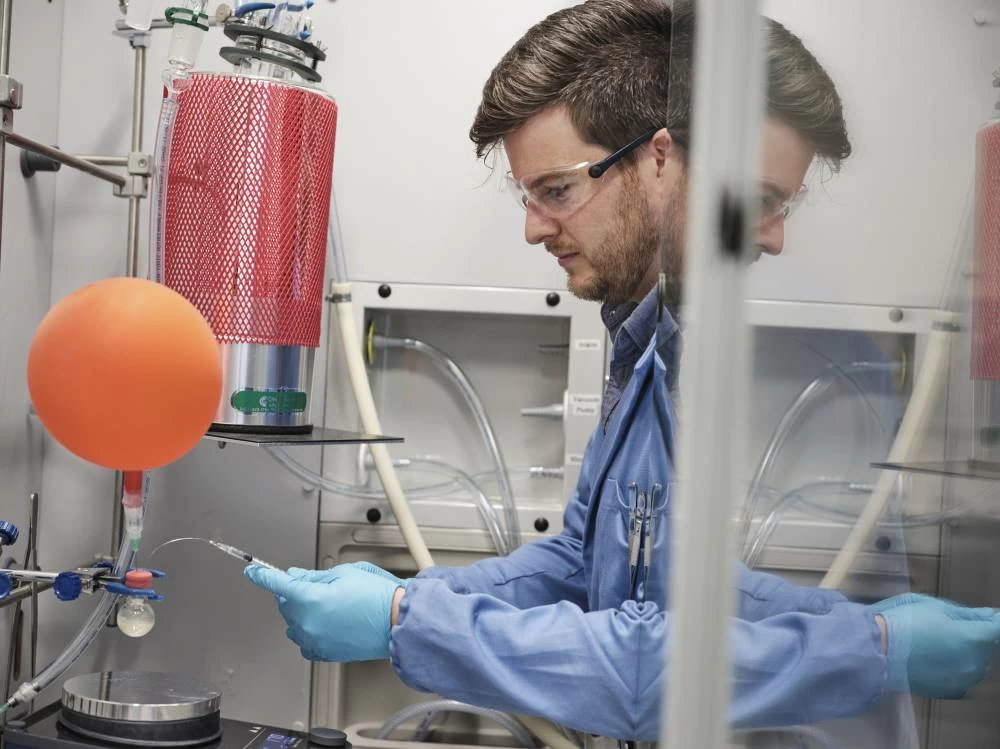
Abu Dhabi: Researchers at NYU Abu Dhabi have uncovered a promising new antibiotic that can kill bacteria responsible for serious infections, including drug-resistant Klebsiella pneumoniae, a type of bacteria that can cause pneumonia, bloodstream infections, and other illnesses.
The discovery could help in the search for new antibiotics against drug-resistant infections.
Called rhabdobranin, the antibiotic is naturally produced by Xenorhabdus, a type of bacteria that lives alongside parasitic worms that infect insects. Scientists had identified the genes that appeared to be responsible for producing the compound, but had been unable to isolate the antibiotic and test whether it could kill harmful bacteria.
By producing rhabdobranin in the laboratory, the researchers were able to study it in detail and discovered that its structure had originally been identified incorrectly. They found that a small difference in the structure made a major difference in how effectively it killed bacteria, allowing them to identify its most active form.
Laboratory tests showed that rhabdobranin could kill several types of harmful bacteria, including carbapenem-resistant K. pneumoniae. These bacteria are resistant to carbapenems, a group of powerful antibiotics often used to treat serious infections, making infections caused by them particularly difficult to treat.
"This study highlights the potential of looking in unexpected places for new antibiotics,” said NYU Abu Dhabi Associate Professor of Chemistry and senior author Alan R. Healy. "Rhabdobranin is particularly promising because it is active against bacteria that are increasingly difficult to treat, including drug-resistant Klebsiella pneumoniae. While further research is needed, this provides an important starting point for exploring new approaches to antibiotic development.”
The researchers also found that rhabdobranin works by stopping bacteria from making proteins, a process they need to grow and survive. The findings demonstrate how genetic information from bacteria can help scientists discover new natural antibiotics that might otherwise remain hidden, offering another approach to addressing antibiotic resistance.