UAE seeks deeper AI cooperation with Germany, says Al Bannai

Presidential adviser tells German business daily Handelsblatt that the UAE can offer AI infrastructure while Germany brings industrial expertise, talent and data

By Emirates247 Published: 2026-09-10T13:12:00+04:00 2 min read
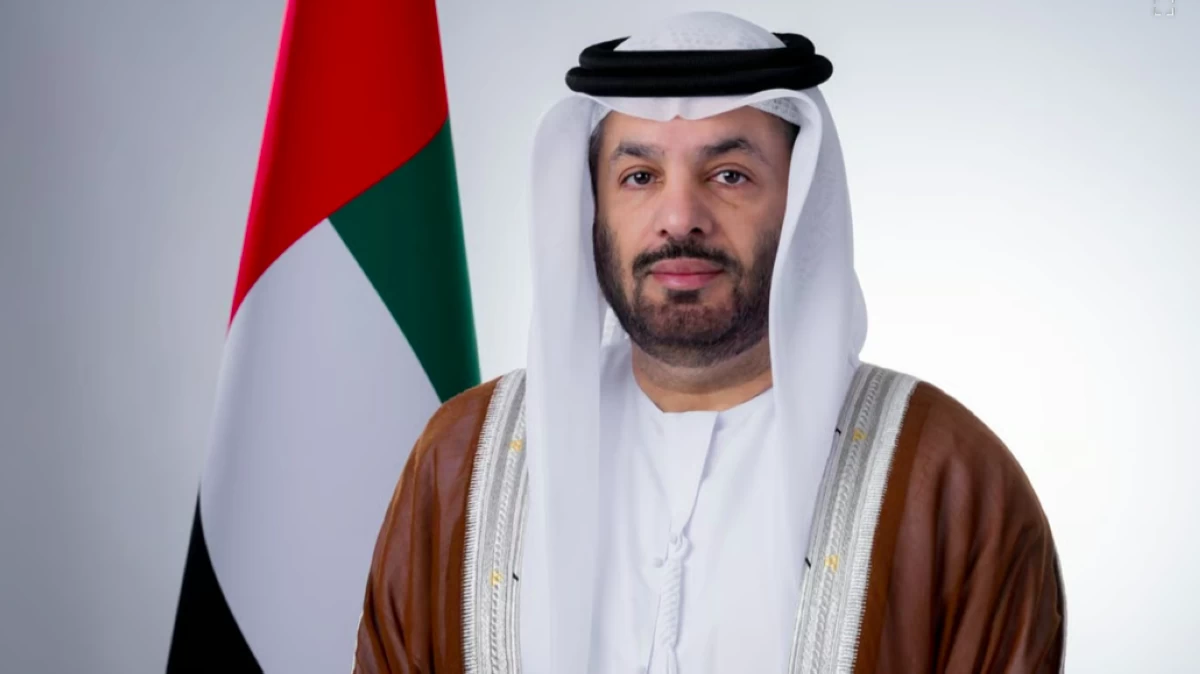
Faisal Al Bannai, Adviser to the UAE President for Strategic Research and Advanced Technology Affairs.

Berlin: Faisal Al Bannai, Adviser to the UAE President for Strategic Research and Advanced Technology Affairs, said the UAE is seeking deeper cooperation with Germany in artificial intelligence, highlighting what he described as the complementary strengths of both countries.

In an interview with the German business daily Handelsblatt, Al Bannai said one of the UAE's strategic priorities is preparing for a future beyond oil and strengthening its position in artificial intelligence.

Al Bannai, who is accompanying UAE President His Highness Sheikh Mohamed bin Zayed Al Nahyan during his state visit to Germany, said the UAE has invested heavily in AI infrastructure, including data centres and energy systems, supported by AI-related investments valued at approximately US$127 billion over the previous two years.

He said Germany's strengths lie in its industrial base, engineering expertise and talent, while the UAE offers an agile environment capable of rapidly implementing new ideas and technologies.

“Germany has significant strengths, such as a strong base of industry, engineers and talent,” Al Bannai said. “The UAE is not afraid to champion new ideas and concepts and truly act as a pioneer.”

According to Al Bannai, while the UAE has invested substantially in AI infrastructure, it lacks the large technology companies and extensive industrial datasets available in countries such as Germany.

He said cooperation between the two countries could help both sides strengthen their capabilities in artificial intelligence, while also supporting greater independence from the dominant AI ecosystems of the United States and China in certain areas.

Discussing AI models, Al Bannai described himself as an advocate of open-source technology while acknowledging the role of closed-source models.

He noted that the Technology Innovation Institute in Abu Dhabi initially developed and openly released its own AI models but is now focusing on smaller and more cost-effective models, which he believes are particularly important for industry-specific applications.

Al Bannai also promoted the UAE as a large-scale testing environment for emerging technologies.

“We see ourselves as a sandbox, an experimental field for AI, autonomous systems and robots the size of an entire country,” he said. “Do you have robots? You can test them extensively with us.”

He added that the UAE's regulatory approach focuses on fostering confidence in innovation and allowing regulations to evolve alongside industry developments.

According to Al Bannai, the UAE aims to become one of the world's leading countries in the deployment of autonomous systems and plans to deploy more than 10,000 autonomous delivery vehicles by 2027.

He also said visitors to the UAE are likely to see increasing use of autonomous technologies in areas such as transport, delivery services and security operations in the coming years.