European leaders discuss Arctic security as melting ice opens new trade routes
Summit in Finland focuses on shipping, natural resources and growing concerns over Russia's military presence in the Arctic
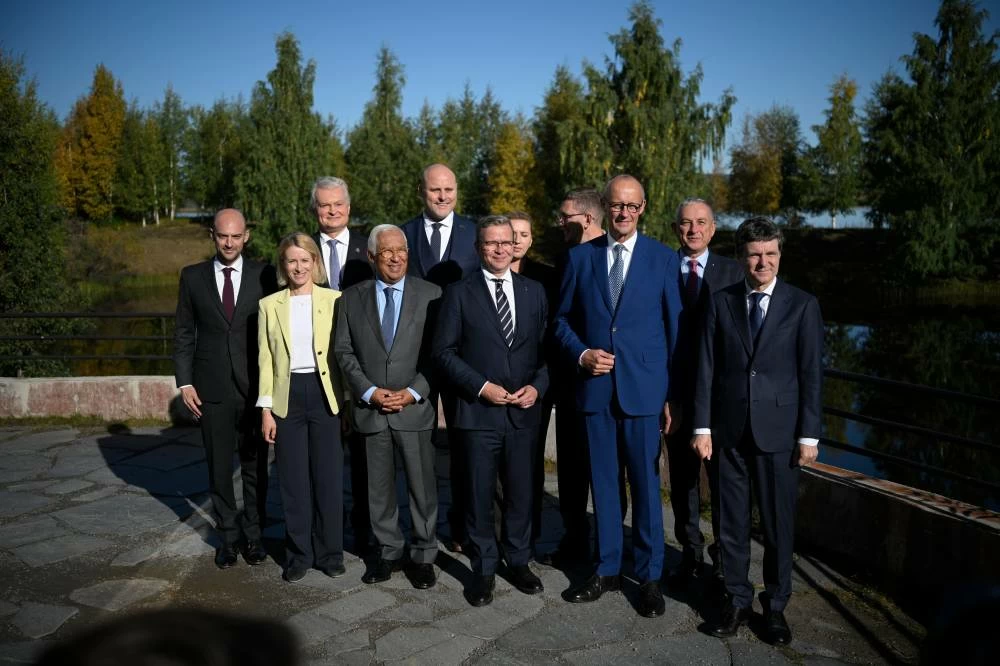
Rovaniemi, Finland: European leaders met on Monday to discuss rising competition in the Arctic, where climate change is opening new shipping routes, increasing access to natural resources and heightening geopolitical tensions.
German Chancellor Friedrich Merz and Danish Prime Minister Mette Frederiksen were among the leaders attending the European Arctic Summit in Rovaniemi, northern Finland.
The two-day gathering follows Norway's seizure earlier this month of a Russian vessel in the Arctic archipelago of Svalbard at Ukraine's request, a move that drew criticism from Russian President Vladimir Putin.
Finnish Prime Minister Petteri Orpo said the Arctic had become increasingly important for Europe's security and prosperity.
"We have natural resources. We have new sea routes because of climate change. But also we have threats. That's why we need concrete actions," Orpo told reporters. "There is so much we can do together."
Analysts say the summit is taking place against a backdrop of accelerating climate change, growing Chinese commercial activity in the Arctic and heightened concerns over maritime security.
The opening of Arctic sea routes due to shrinking ice cover is expected to reduce shipping times between Europe and Asia, while also intensifying competition over the region's vast reserves of minerals and other natural resources.
The summit is also seen as a precursor to a revised European Union Arctic strategy expected later this year, with security issues expected to play a more prominent role than in previous policies.
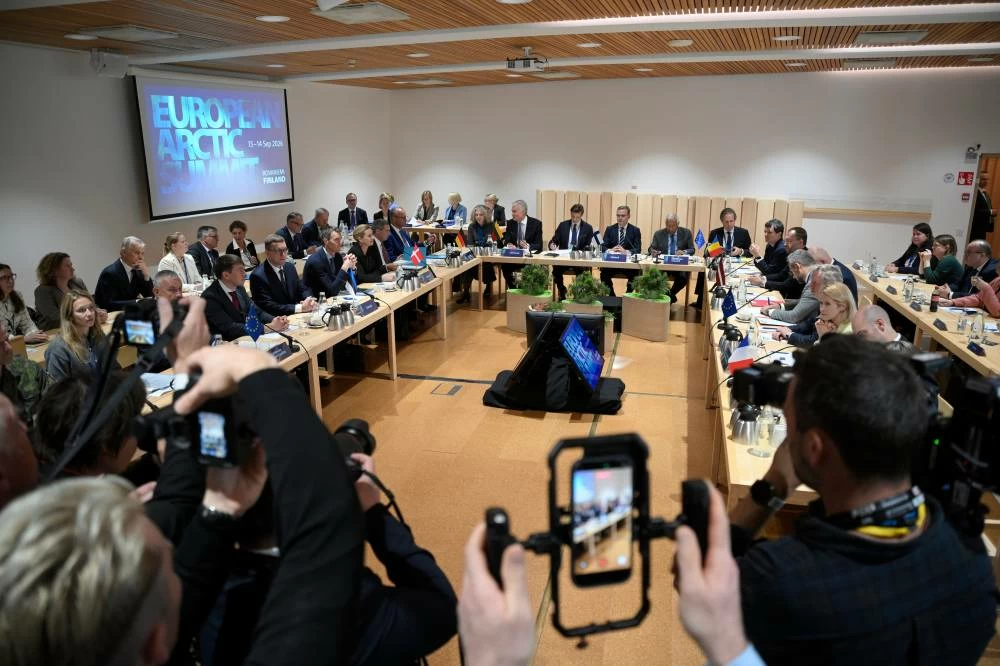
Arctic security has gained additional attention amid tensions in the Middle East, particularly around the Strait of Hormuz, which have highlighted the strategic importance of alternative maritime trade routes.
The European Union is also closely monitoring developments in Greenland, the self-governing territory of Denmark, following repeated statements by U.S. President Donald Trump expressing interest in the resource-rich Arctic island.
Greenland's government has rejected any suggestion of becoming part of the United States.
Last week, European Commission President Ursula von der Leyen announced a €200 million support package for Greenland over the next two years, aimed at helping the territory address climate change, improve internet connectivity and support sectors including hydropower, fisheries and education.