Oil prices extend rally, rising more than 3% over supply concerns
Brent climbs above $107 a barrel on fears of growing risks to key regional shipping routes
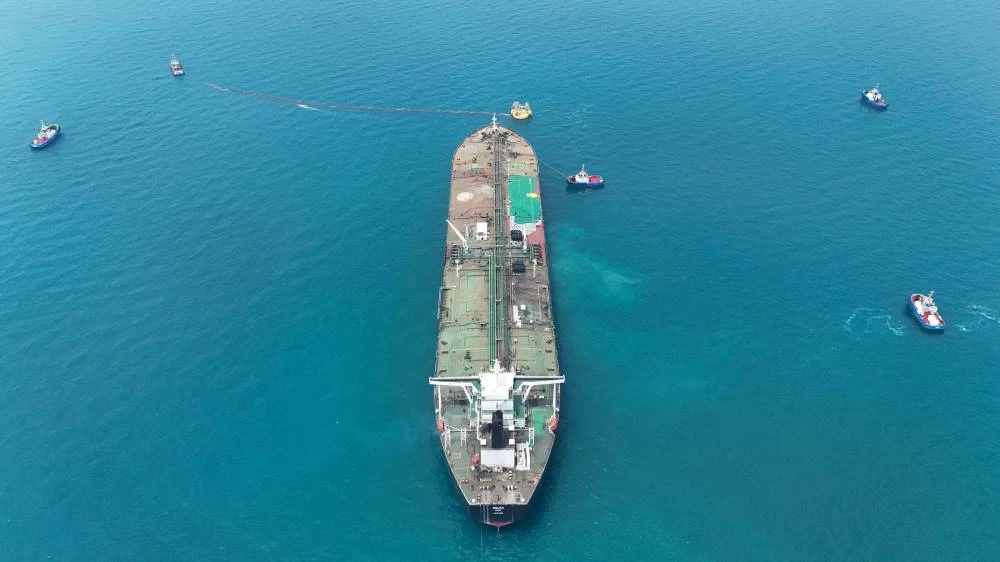
London: Oil prices continued to surge on Monday, rising more than 3% after attacks on Saudi energy infrastructure and vessels in the Middle East heightened concerns over global supply.
Brent crude futures rose $3.00, or 2.9%, to $107.61 a barrel by 1112 GMT, after earlier reaching an intraday high of $108.65. U.S. West Texas Intermediate (WTI) crude gained $2.48, or 2.5%, to $102.53 a barrel.
Oil prices climbed around 9% last week as tensions escalated across the Middle East. Brent rose above $100 a barrel for the first time since July and reached its highest level since May at around $110 a barrel.
The latest gains come after Saudi Arabia's East-West Pipeline was temporarily shut down following a drone attack, according to Saudi officials. The pipeline allows the kingdom to bypass the Strait of Hormuz and transport exports to the Red Sea.
The disruption threatens up to 4% of global oil supply. Industry sources said the Red Sea port of Yanbu has sufficient inventories to sustain exports for only five to seven days while the pipeline remains out of service.
Janiv Shah, an oil markets analyst at Rystad, said the relatively limited market reaction suggests traders still expect Saudi inventories to cushion exports in the short term.
"However, if the disruption extends beyond the five-to-seven-day inventory cushion, that could change quickly," he said.
Analysts warned that ongoing disruptions in oil supply chains, combined with refinery constraints and declining fuel inventories, could keep prices elevated.
PVM analyst John Evans said the market is increasingly searching for ways to avoid a further rise in prices, pointing to Russian refinery outages and shrinking stockpiles as additional risks.
Higher energy prices have already put pressure on global bond markets, fuelling inflation concerns and contributing to higher interest-rate expectations.