Wizz Air cuts capacity forecast as Iran war fuels industry's cost crunch
Wizz Air cuts second-half capacity forecast by 5% as Iran war drives fuel costs higher, updates RASK outlook and sets 2030 targets for €10B revenue, 10% EBIT margin, 335 aircraft and 127M passengers
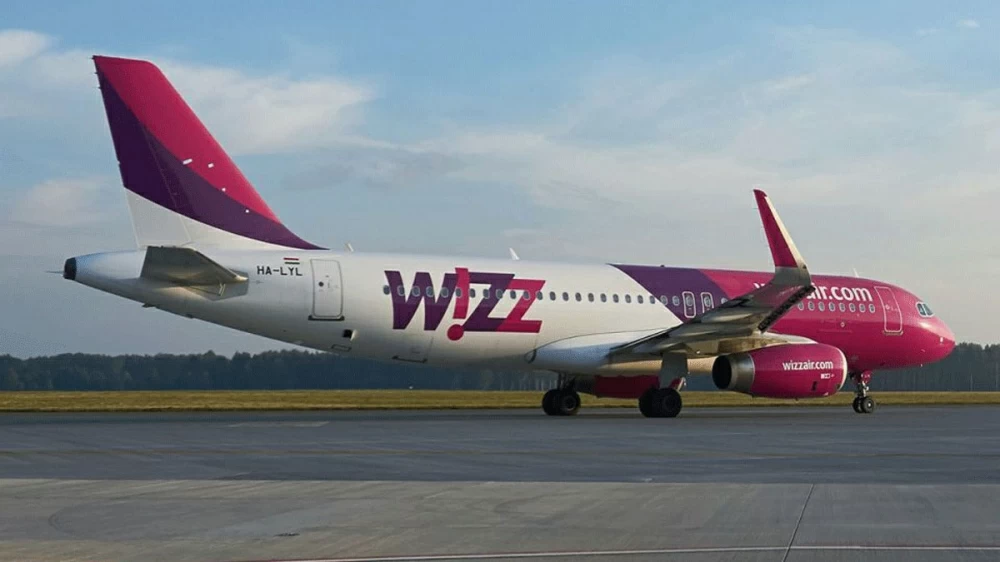
Budget carrier Wizz Air on Thursday said it had cut its planned capacity for the second half of its fiscal year by 5%, joining rivals in scaling back growth plans as the Iran war continues to drive a sharp rise in fuel costs.
The worst airline crisis in terms of costs since the COVID-19 pandemic, the U.S.-Iran war has sent the global aviation industry into a severe cost shock, with Latvian airline airBaltic becoming the first European carrier to file for bankruptcy earlier this week due to the conflict.
While full-service flag carriers have generally proved more resilient than budget operators, whose business models rely on cheap fares, even larger U.S. carriers have scaled back their planned flight schedules as surging fuel prices threaten earnings.
Wizz Air upgraded its revenue per available seat kilometre (RASK) forecast for the second quarter running from July to September to flat year-on-year, from a previous forecast of "down low single digits," after a stronger-than-expected summer revenue performance, sending shares up more than 3% in early trade.
The Hungarian airline set out medium-term financial targets of achieving €10 billion ($11.47 billion) in revenue and a 10% EBIT margin by fiscal year 2030 as it seeks to restore sustainable profitability after a turbulent stretch.
It also plans to operate an all-new-engine-option fleet of 335 aircraft and carry 127 million passengers by fiscal year 2030, up from the 269 aircraft it currently operates and the 69.7 million passengers it carried in its last financial year.
The targets mark a pivotal moment for Wizz Air, which has spent the past two years battling grounded aircraft from Pratt & Whitney engine issues, surging fuel costs from the Iran war and a bruising stretch of losses, as it attempts to convince investors it can translate its ultra-low-cost model into durable returns.