UAE warns of jail terms for academic certificate forgery
Ministry says courts have handed down prison sentences and fines as it steps up efforts to protect the integrity of academic qualifications
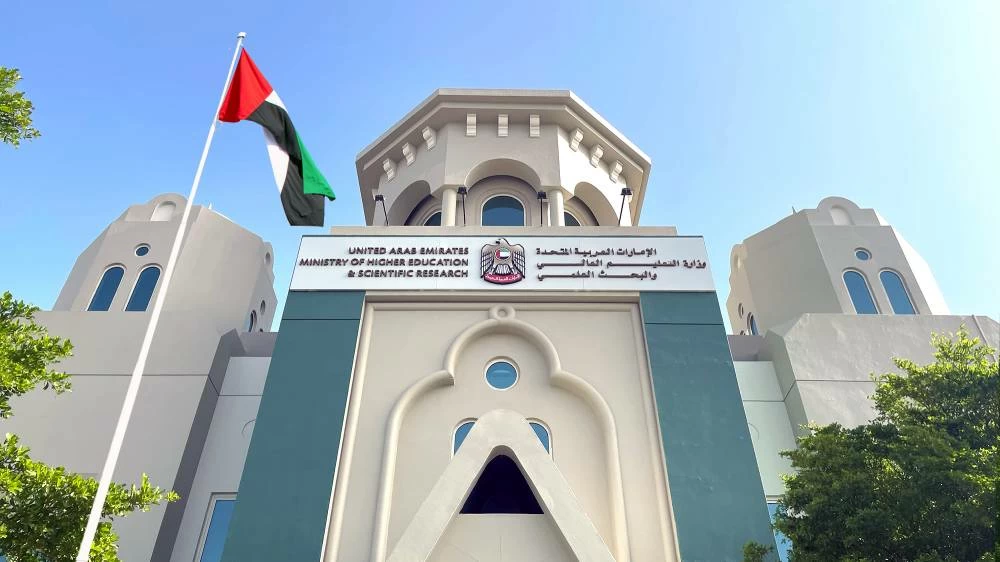
Abu Dhabi: The Ministry of Higher Education and Scientific Research has reaffirmed its commitment to safeguarding the integrity of academic qualifications through a comprehensive verification and monitoring system aimed at protecting employers and strengthening confidence in accredited credentials.
The ministry said it continues to address attempts to forge, falsify or manipulate academic qualifications in coordination with judicial authorities across the UAE, including the Ministry of Justice, the Federal Capital Public Prosecution and local public prosecution offices.
According to the ministry, several defendants have already been convicted by competent courts in cases involving forged academic qualifications. Some rulings included prison sentences of up to three years and fines of up to Dh30,000 in accordance with the Federal Penal Code.

Ahmed Abdullah Al Hammadi, Director of the Legal Affairs Department at the Ministry of Higher Education and Scientific Research, said the ministry places the highest importance on protecting the credibility of academic qualifications issued both inside and outside the country.
He said the ministry's efforts align with its strategic objective of strengthening the integrity of higher education and ensuring the reliability of academic qualifications.
Al Hammadi added that the ministry continues to enhance verification, monitoring and coordination mechanisms with relevant authorities. Any case involving suspected forgery, manipulation or alteration of academic certificate data is handled according to established legal procedures and referred to the competent judicial authorities whenever criminal suspicion arises.
He noted that protecting the integrity of academic qualifications extends beyond the higher education sector, helping safeguard government and private entities, employers and the wider community from the use of inaccurate academic credentials or information.
The ministry warned that it will not tolerate practices that undermine the credibility of academic qualifications and will continue referring suspected criminal cases to the relevant authorities, while further enhancing verification, monitoring and data-sharing systems.
The ministry also highlighted the growing use of its digital qualification verification platform. It processed 178,600 academic qualification verification requests in 2025, while the number rose to 253,000 requests by the beginning of September 2026.
It said the increase reflects growing confidence among individuals and institutions in the ministry's verification systems.
The ministry stressed that detected forgery cases remain isolated and very limited compared with the volume of qualifications verified annually. It added that the current verification and monitoring system enables early detection of violations and helps maintain confidence in the UAE's higher education system.
The ministry called on government entities, private-sector organisations and employers to verify academic qualifications whenever doubts arise regarding the validity of certificates or academic records. It also urged the public to use official verification channels and report suspected cases of forgery or manipulation.
Under Article 252 of Federal Decree-Law No. 31 of 2021 on Crimes and Penalties, forgery of official documents is punishable by imprisonment for up to 10 years, while forgery of unofficial documents is punishable by imprisonment.
Examples of forgery include fabricating academic certificates or transcripts, altering information contained in genuine qualifications, adding or deleting data that changes the content of a qualification, or knowingly using a forged academic credential.